
Hasidic Jews: A Glimpse into a Distinctive World
When you encounter a hasidic jew, you’re seeing a person deeply connected to a rich spiritual heritage. This branch of Orthodox Judaism, born in 18th-century Eastern Europe, emphasizes joy, mysticism, and a personal connection with God. It’s a world often misunderstood, shrouded in preconceptions. But peel back the layers, and you find a community that values tradition, family, and spiritual devotion above all else. This article aims to offer a respectful and informative look into their lives, traditions, and the principles that guide them.
Last updated: April 22, 2026
At its core, Hasidism is a spiritual revival movement within Judaism. It arose as a reaction against what was perceived as an overly intellectual and dry approach to religious observance. The founders, like Rabbi Israel Baal Shem Tov, taught that God is present everywhere and can be found in the simplest acts of daily life, not just in prayer and study. This emphasis on joy in serving God, often expressed through song and dance, became a hallmark of the movement.
what’s the Core Belief of Hasidic Judaism?
The central tenet of Hasidic Judaism is the concept of devekut, or cleaving to God. This isn’t about scholarly debate. it’s about cultivating an intimate, personal relationship with the Divine in every moment. Hasidic teachings stress that God is immanent—present in all of creation. Therefore, serving God isn’t confined to the synagogue or study hall. it can be found in work, family life, and even simple conversation. This joyful and accessible approach to spirituality is what initially attracted many followers.
A key figure in any Hasidic community is the Rebbe. The Rebbe isn’t just a spiritual leader but often a revered guide and patriarch, whose lineage and wisdom are deeply respected. Followers seek his counsel on matters both spiritual and practical. Decisions within a specific Hasidic group, or dynasty, are often guided by the teachings and customs passed down from their Rebbe. For instance, the Satmar Rebbe, Rabbi Joel Teitelbaum, was a staunch opponent of Zionism, a stance that continues to influence the Satmar Hasidic community today.
Daily Life and Observance for a Hasidic Jew
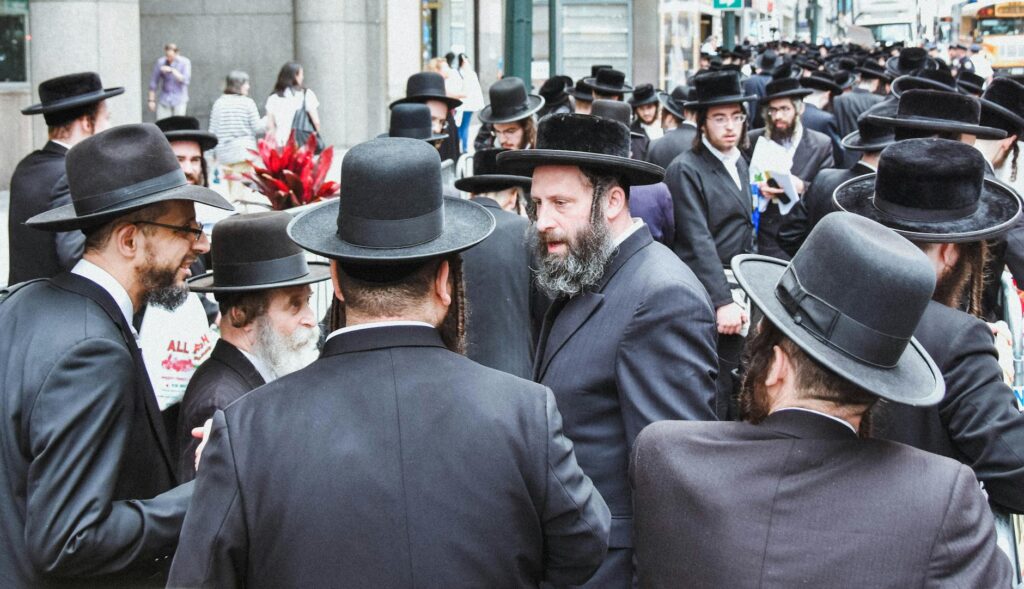
The daily life of a Hasidic Jew is structured around religious observance, family, and community. Strict adherence to Jewish law, or Halakha, governs everything from diet to dress to social interactions. Most Hasidic men wear distinctive attire, often including dark suits, hats, and for some, a long coat called a rekel. This attire isn’t merely fashion. it signifies their commitment to a traditional way of life and often reflects the customs of their ancestors from Eastern Europe. For example, many Hasidic men sport a beard and peyot (sidelocks), as mentioned in Leviticus 19:27.
Women, too, observe modesty in dress, often covering their hair after marriage and wearing long skirts. Family is really important. Marriages are typically arranged, with matchmakers playing a significant role in connecting potential partners. Large families are common and celebrated. Children receive a rigorous religious education, primarily in yeshivas — which focus on Torah study and traditional Jewish values. According to Pew Research Center (2021), a significant majority of Orthodox Jewish adults, including Hasidic individuals, believe that raising children in a religious home is very important.
Dietary Laws and Celebrations
The observance of kashrut (kosher dietary laws) is fundamental. This involves abstaining from certain foods and ensuring that all food is prepared according to strict guidelines. This includes the separation of meat and dairy, specific slaughtering methods for animals, and the avoidance of pork and shellfish. Many Hasidic households maintain separate sets of dishes and utensils for meat and dairy. The preparation of Passover meals is especially elaborate, with a complete purging of leavened products (chametz) from the home.
Jewish holidays are observed with great fervor and joy. Shabbat (the Sabbath), from Friday sunset to Saturday sunset, is a day of rest, prayer, and family. It’s a time to disconnect from the secular world and focus on spiritual matters. Holidays like Passover, Sukkot, and Hanukkah are marked by special prayers, meals, and customs that reinforce their connection to Jewish history and tradition. The celebration of a boy’s Bar Mitzvah at age 13 and a girl’s Bat Mitzvah (though less emphasized in some strictly traditional circles) are important milestones.
Community Structure and Social Life
Hasidic communities are tightly knit, often centered around a synagogue and a network of religious institutions, including schools and social service organizations. These communities provide a strong support system for their members, offering spiritual guidance, social connection, and practical assistance. While they maintain a distinct identity, most Hasidic groups engage with the wider world through business and commerce. Many have established successful enterprises, especially in areas like real estate, garment manufacturing, and technology. For example, the real estate firm T&M Associates, founded by members of the Belz Hasidic community, is a prominent player in New York City.
Social life is largely family- and community-oriented. While men and women generally socialize separately, there are communal events and celebrations. The emphasis is on shared religious experience and mutual support. For those seeking a deeper understanding, resources like the My Jewish Learning website offer extensive information on Jewish practices and beliefs.
Outside World
Interactions between Hasidic communities and the broader society vary. Some groups maintain a greater degree of separation, while others are more integrated. In major cities like New York — where large Hasidic populations reside, there’s a noticeable presence in various industries. However, maintaining their unique religious and cultural identity remains a priority. This often involves careful navigation of secular education systems, workplace norms, and media consumption.
The educational system is a point of particular focus. Many Hasidic yeshivas prioritize religious studies, and the extent to which secular subjects are taught can vary between different groups. This has sometimes led to public debate and scrutiny. For instance, a 2022 report by the New York State Education Department highlighted concerns regarding the quality of secular education in some Hasidic schools. The community often defends its educational model as essential for preserving its way of life and values, as detailed in Brookings Institution’s analysis.
Common Misconceptions vs. Reality
Several common misconceptions surround Hasidic Jews. One is that they’re a monolithic group. in reality, there are many different Hasidic dynasties, each with its own customs and traditions. The Lubavitch (Chabad) movement, for example, is known for its outreach efforts to unaffiliated Jews worldwide, a characteristic less common in other Hasidic groups. Another misconception is that they’re entirely cut off from modern technology. While some groups are more cautious, many Hasidic individuals use smartphones and the internet for business, communication, and study, albeit often with specific guidelines.
The perception of them being anti-modern is also an oversimplification. Hasidic Jews embrace many aspects of modern life that don’t conflict with their religious principles. they’re active participants in the economy and contribute to society in numerous ways. Their commitment isn’t to rejecting modernity wholesale, but to filtering it through the lens of their faith and tradition. According to a report by the Pew Research Center (2021), a large majority of Orthodox Jews (which includes Hasidic Jews) express satisfaction with their lives.
Frequently Asked Questions
What language do Hasidic Jews speak?
Many Hasidic Jews speak Yiddish as their primary language at home and within their community. Here’s a Germanic language that developed among Ashkenazi Jews. While they may also speak English or the local language of their country fluently, Yiddish remains central to their cultural and religious life. Hebrew is primarily used for prayer and religious study.
Are all Hasidic Jews the same?
No, Hasidic Judaism isn’t monolithic. You’ll find numerous Hasidic dynasties, such as Satmar, Belz, Ger, Lubavitch (Chabad), and Vizhnitz, among many others. Each dynasty has its own unique customs, traditions, spiritual emphases, and often, a distinct Rebbe. While they share core Hasidic principles, these differences are significant.
what’s a Rebbe?
A Rebbe is a spiritual leader and guide within a Hasidic community. The term is Yiddish for ‘my master’ or ‘my teacher.’ Rebbes are often descendants of previous Rebbes and are revered for their piety, wisdom, and connection to God. Followers seek their guidance on all aspects of life, from religious interpretation to personal decisions.
what’s the main difference between Hasidic and other Orthodox Jews?
While Hasidic Jews are a segment of Orthodox Judaism, the primary distinction lies in their emphasis on joy, mysticism, and the central role of the Rebbe. Other Orthodox Jews (like Modern Orthodox or Haredi Litvish) may place a stronger emphasis on Talmudic scholarship and intellectual engagement with religious texts, often without the same focus on ecstatic devotion or the personal charisma of a Rebbe.
How do Hasidic Jews view the modern world?
Hasidic Jews generally approach the modern world with caution, seeking to preserve their traditional way of life and religious observance. They adopt modern technologies and engage in commerce and professions but often do so within a framework that minimizes potential conflicts with their religious values. Their primary goal is to maintain their spiritual focus and community cohesion.
Conclusion: A Deeper Understanding
The world of the hasidic jew is one of profound spiritual commitment, strong community bonds, and a deep respect for tradition. While their distinct dress and customs might seem unfamiliar, understanding their core values—joy in serving God, the importance of family, and the pursuit of spiritual connection—offers a more accurate and respectful perspective. Rather than relying on stereotypes, taking the time to learn about their practices and beliefs reveals a vibrant and enduring way of life that continues to thrive in the modern world.
Editorial Note: This article was researched and written by the Milano Golden editorial team. We fact-check our content and update it regularly. For questions or corrections, contact us.








Biography
Sayid Sayid: A Look at the Controversial Figure