
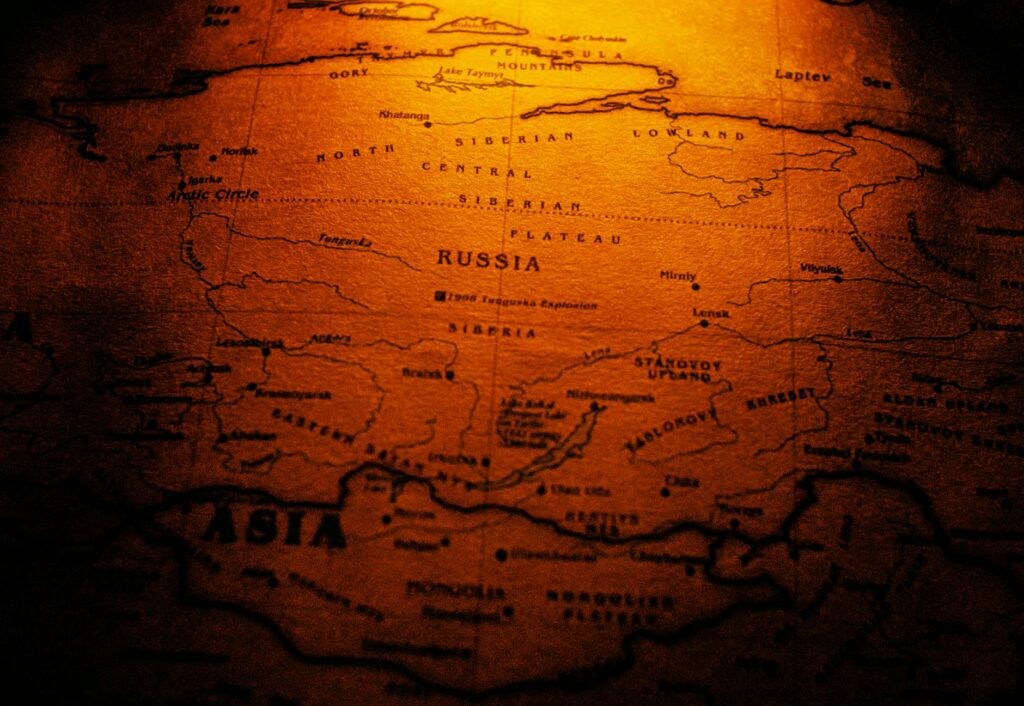
The Answer Is Clear: Russia Reigns Supreme
This guide covers everything about what’s the biggest country in the world. Ever looked at a world map and felt a sense of awe at the sheer scale of some nations? It’s a natural reaction, especially when you start thinking about the biggest players on the global stage. When the question arises, what’s the biggest country in the world, the answer is a place of staggering proportions: Russia. It’s not just big. it’s colossal, covering more ground than any other nation on Earth. This vastness isn’t just a geographical curiosity. it shapes economies, influences geopolitics, and offers incredible, albeit challenging, travel opportunities.
Last updated: April 22, 2026
Russia’s Size: Numbers That Defy Imagination
So, just how big is Russia? The numbers are almost hard to grasp. According to Worldometer (2023), Russia’s total area spans approximately 17,098,242 square kilometers (or 6,601,668 square miles). To put that into perspective, that’s nearly twice the size of the second-largest country, Canada. It covers over 11% of the Earth’s total landmass. Imagine trying to drive across it – it would take weeks, if not months, even with dedicated driving days!
How Big is Russia, Really?
Russia’s immense size means it spans an incredible 11 time zones. Yes, you read that right! When it’s noon in Moscow, it’s already late evening in the eastern parts of the country. This geographical spread has profound implications, from coordinating national events to managing infrastructure and resources. For context, the United States, often perceived as vast, has a total area of about 9.8 million square kilometers, making Russia nearly 1.75 times larger.
Beyond the Land Mass: What Makes Russia’s Size Significant?
Being the largest country in the world isn’t just about having a big number on a map. This immense land area brings a unique set of advantages and challenges. Let’s break down some of the key impacts:
Natural Resources: A Treasure Trove
Russia is incredibly rich in natural resources, largely due to its vast territory. It holds some of the world’s largest reserves of oil, natural gas, timber, and various minerals. According to Statista (2023), Russia possesses the largest proven natural gas reserves globally. This abundance fuels its economy and plays a significant role in global energy markets. Managing these resources efficiently and sustainably is a major undertaking for the Russian government.
Climate Diversity: From Arctic to Subtropical
The sheer scale of Russia means it encompasses a lots of climates. A significant portion of the country, especially Siberia, experiences extremely cold, continental climates with long, harsh winters. However, you’ll also find milder temperate zones and even humid subtropical areas along the Black Sea coast. This climatic diversity affects everything from agriculture and wildlife to the types of infrastructure needed and the challenges faced by its residents.
Population Distribution: A Sparse Giant
Despite its enormous size, Russia’s population is relatively small, with around 144 million people as of 2023. Most its population lives in the western, more European part of the country, especially around Moscow and St. Petersburg. Siberia and the Far East are very sparsely populated. This creates unique challenges for providing services, transportation, and economic development across such a vast and spread-out nation. You can find entire regions larger than France with fewer people than a small European city.
Economic Implications: Opportunities and Hurdles
Russia’s size presents both economic opportunities and significant hurdles. The vast natural resources offer immense potential for wealth generation. However, the sheer distances involved make transportation and logistics incredibly expensive and complex. Developing remote regions, connecting them to major markets, and ensuring consistent infrastructure across the country requires massive investment and planning. Companies like Gazprom, a state-owned energy giant, operate on a scale directly tied to Russia’s resource wealth and geographical reach.
Navigating Russia: Practical Tips for the Intrepid Traveler
Thinking of visiting this massive land? While planning a trip to Russia can seem daunting, it’s absolutely achievable with the right approach. Here are a few tips to help you make the most of your visit, keeping its immense size in mind:
- Focus Your Itinerary: Trying to see ‘all’ of Russia is impossible in one trip. Decide which regions best suit your interests. Are you fascinated by the history of Moscow and St. Petersburg? Do you want to experience the rugged beauty of Siberia? Or perhaps explore the unique culture of the Caucasus region?
- Embrace Train Travel: For long distances within Russia, the Trans-Siberian Railway is legendary. It’s not just transport. it’s an experience in itself, allowing you to see the changing landscapes. Book tickets well in advance, especially for popular routes. Companies like Russian Railways (RZD) offer various classes of service.
- Factor in Travel Time: Distances are vast. A flight between Moscow and Vladivostok, for example, is about 9 hours long – comparable to flying from London to Singapore. Always add buffer time for travel between cities and within them.
- Understand the Seasons: Russia’s climate varies dramatically. Winters can be severe, especially in Siberia, with temperatures dropping to -40°C (-40°F) and below. Summers can be surprisingly warm in many regions. Pack accordingly based on where and when you plan to visit. Consulting weather sites like BBC Weather can provide accurate forecasts.
- Learn Basic Russian Phrases: While you’ll find English speakers in major tourist hubs like Moscow and St. Petersburg, knowing a few basic phrases (like ‘hello’, ‘thank you’, ‘excuse me’) will be greatly appreciated in smaller towns and rural areas.
Comparing Russia to Other Giants
It’s easy to say Russia is the biggest, but how does it stack up against other large nations? Let’s look at a few:
| Country | Total Area (sq km) | Rank |
|---|---|---|
| Russia | 17,098,242 | 1st |
| Canada | 9,984,670 | 2nd |
| China | 9,596,961 | 3rd/4th |
| United States | 9,525,067 | 3rd/4th |
| Brazil | 8,515,767 | 5th |
Note: China and the US sometimes swap 3rd and 4th place depending on how territories and water areas are calculated, according to organizations like the CIA World Factbook.
As you can see, Russia’s lead is substantial. It’s larger than the next few countries combined. This sheer scale is what defines its place in global geography.
Frequently Asked Questions
Is Russia the biggest country in the world by population too?
No, Russia isn’t the biggest country by population. While it’s the largest by land area, it ranks around 9th globally in terms of population. Countries like China and India have vastly larger populations despite having smaller landmasses.
What’s the second biggest country?
The second biggest country in the world by total area is Canada, covering approximately 9,984,670 square kilometers. It’s still a massive nation, but considerably smaller than Russia.
How much of the Earth’s land does Russia cover?
Russia covers approximately 11% of the Earth’s total land area. This makes it a dominant geographical entity on the planet.
Does Russia’s size mean it has more resources than any other country?
While Russia has immense natural resources, it’s difficult to definitively say it has more than any other single country across all* categories. However, it ranks among the top globally for reserves of oil, natural gas, and timber, largely thanks to its vast land area.
Is it expensive to travel in Russia?
Travel costs in Russia can vary greatly. Major cities like Moscow and St. Petersburg can be comparable in price to other major European capitals, especially for accommodation and dining. However, traveling to more remote regions or utilizing extensive train journeys can be more budget-friendly, especially when considering the value of experiencing such unique, vast landscapes.
The Enduring Impact of Russia’s Immense Size
So, when you ask what’s the biggest country in the world, the answer reverberates with implications far beyond a simple measurement. Russia’s sheer scale dictates its resource wealth, its climatic diversity, its population distribution, and the very nature of its economy. For travelers, it means planning carefully and embracing the journey, understanding that you’re exploring a land that’s truly continental in scope. Its size is a defining characteristic, shaping its identity and its role on the global stage for generations to come.
Editorial Note: This article was researched and written by the Milano Golden editorial team. We fact-check our content and update it regularly. For questions or corrections, contact us.







Biography
Sayid Sayid: A Look at the Controversial Figure