
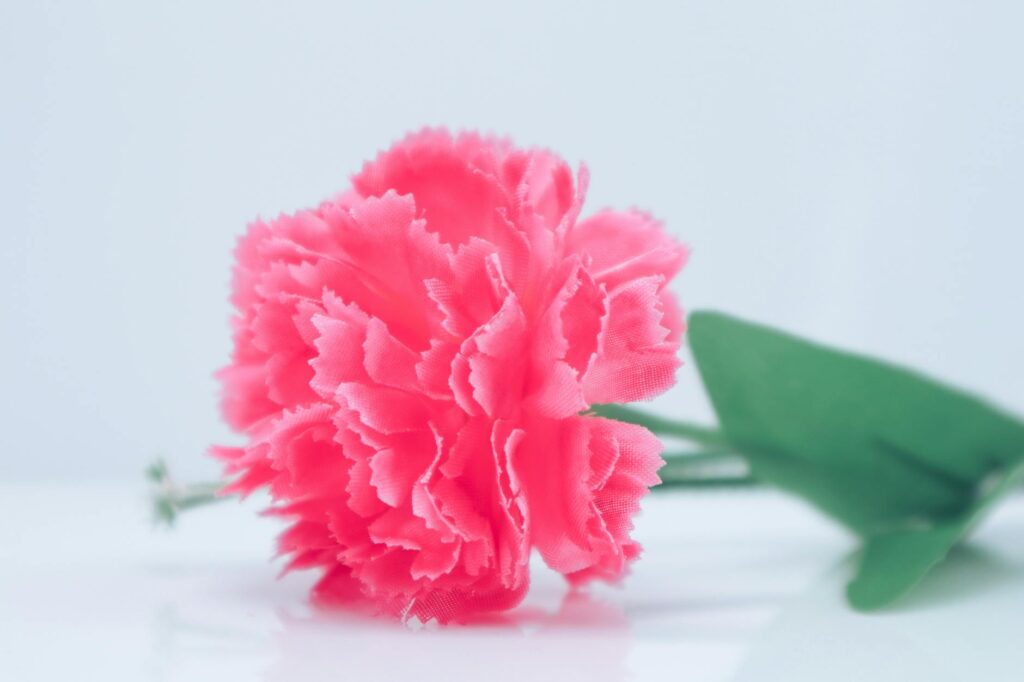
Why Are Carnations So Popular?
Carnations, with their ruffled petals and incredible color range, have been a garden and floral industry staple for centuries. Despite sometimes being perceived as a common filler flower, the carnation flower (scientifically known as Dianthus caryophyllus) offers a depth of history, symbolism, and practical beauty that’s truly remarkable. Did you know that the name ‘carnation’ is believed to derive from the Greek word ‘coronation’ or ‘corona,’ referring to the flower’s use in ancient Greek celebratory garlands? Or that they can last up to two weeks in a vase with proper care? If you’ve ever received or sent a bouquet featuring these delightful blooms, you’ve experienced their charm firsthand. This article dives deep into what makes carnations so special and provides you with actionable tips to keep them thriving, whether in your garden or a vase.
Last updated: April 22, 2026
What Does a Carnation Flower Symbolize?
The meaning of a carnation flower can shift dramatically depending on its color, offering a nuanced language of sentiment. This fascinating aspect has contributed to their enduring popularity in everything from formal events to personal gifts.
The general symbolism of carnations revolves around love, fascination, and distinction. However, specific colors carry distinct messages:
- Red Carnations: Often represent deep love, admiration, and passion. A deep crimson red can also signify heartache or grief.
- Pink Carnations: Symbolize a mother’s love, gratitude, and remembrance. Here’s why they’re strongly associated with Mother’s Day. According to USA Today (2023), the pink carnation became the official flower of Mother’s Day thanks to Anna Jarvis — who chose it to honor her mother.
- White Carnations: Represent pure love, good luck, and good fortune. they’re also sometimes associated with remembrance.
- Yellow Carnations: Traditionally symbolized disappointment or rejection, but in modern times, they can also represent friendship and cheerfulness.
- Purple Carnations: Often associated with capriciousness or ‘you’re unpredictable,’ but can also signify royalty and charm.
- Striped Carnations: Symbolize regret or refusal.
A Brief History of the Carnation Flower
The history of the carnation flower is as vibrant as its petals. Originating in the Mediterranean region, these flowers have been cultivated for over 2,000 years. Ancient Greek and Roman civilizations cherished them, using them in crowns, garlands, and even as a component in certain perfumes. The name Dianthus itself comes from the Greek words ‘dios’ (god) and ‘anthos’ (flower), suggesting they were considered divine gifts.
During the Renaissance, carnations experienced a surge in popularity across Europe. Artists frequently featured them in paintings, highlighting their beauty and symbolic weight. By the 18th century, carnations had spread worldwide, and selective breeding began in earnest, leading to the vast array of colors and forms we see today. According to the Royal Horticultural Society, modern carnations are the result of extensive hybridization and selection — which began in the late 19th and early 20th centuries.
Caring for Carnations in the Garden
Growing beautiful carnations in your garden is a rewarding experience, and with the right approach, you can enjoy their blooms for months. Carnations prefer conditions that mimic their native Mediterranean climate – think sunshine and well-drained soil.
Key Growing Tips:
- Sunlight: Carnations need at least 6-8 hours of direct sunlight per day. Too much shade will result in leggy plants with fewer flowers.
- Soil: They thrive in well-draining, slightly alkaline soil. Avoid heavy clay soils — which can lead to root rot. Adding compost or aged manure can improve soil structure and fertility. A soil pH between 6.5 and 7.5 is ideal.
- Watering: Water consistently, especially during dry spells, but allow the soil to dry slightly between waterings. Overwatering is a common mistake that can harm the plants. Ensure good drainage to prevent waterlogging.
- Spacing: Plant carnations about 12-18 inches apart, depending on the variety, to allow for good air circulation — which helps prevent fungal diseases.
- Fertilizing: Feed your carnations with a balanced fertilizer (like a 10-10-10 formula) every 4-6 weeks during the growing season. However, avoid over-fertilizing, as this can lead to lush foliage but fewer blooms.
- Support: Taller varieties might need staking or support to prevent them from flopping over, especially when laden with flowers.
- Deadheading: Regularly remove spent blooms (deadheading) to encourage the plant to produce more flowers rather than setting seed. Here’s Key for continuous blooming throughout the season.
Maximizing Carnation Vase Life
One of the most impressive qualities of the carnation flower is its longevity once cut. With a little preparation and consistent care, you can extend the life of your carnations in a vase, often enjoying them for 10-14 days, sometimes even longer.
Here’s how to make your carnation bouquets last:
- Start Fresh: When purchasing or cutting carnations, look for blooms that are just starting to open, not fully blown.
- Clean Vase and Water: Use a clean vase and fresh, cool water. Bacteria are the enemy of cut flowers, so a spotless environment is key.
- Trim Stems: Upon receiving your flowers, re-cut the stems at a 45-degree angle using a sharp knife or floral shears. This increases the surface area for water absorption. Remove any leaves that will fall below the waterline in the vase, as these will rot and contaminate the water.
- Use Flower Food: Commercial flower food packets contain a biocide to kill bacteria, an acidifier to help water uptake, and sugar to nourish the blooms. If you don’t have a packet, you can create a DIY solution: mix one teaspoon of sugar and a couple of drops of bleach in a quart of water. You can also add a small amount of lemon-lime soda.
- Change Water Regularly: Replace the water and flower food every two days. When changing the water, rinse the vase and re-trim the stems if they look cloudy or slimy.
- Placement Matters: Keep your carnation bouquet out of direct sunlight, away from heat sources (like radiators or electronics), and out of drafts. Fruit bowls are also a no-go, as ripening fruit releases ethylene gas — which accelerates flower aging.
Common Carnation Pests and Diseases
While generally hardy, carnations can occasionally face challenges from pests and diseases. Being aware of these potential issues can help you address them quickly before they cause significant damage.
Common Pests:
- Aphids: Small, pear-shaped insects that cluster on new growth and undersides of leaves, sucking sap. They can cause distorted growth and transmit viruses. A strong spray of water or insecticidal soap can often dislodge them.
- Spider Mites: Tiny arachnids that thrive in hot, dry conditions. They create fine webbing and cause stippling on leaves. Increasing humidity and using insecticidal soap or horticultural oil can help.
- Thrips: Small, slender insects that feed on petals and leaves, causing silvery streaks and distorted growth. Insecticidal soaps, neem oil, or sticky traps can be effective.
Common Diseases:
- Fungal Leaf Spot: Characterized by dark spots on leaves. Improving air circulation and avoiding overhead watering can help prevent it. Remove affected leaves promptly.
- Root Rot: Caused by overwatering and poor drainage. Symptoms include wilting, yellowing leaves, and stunted growth. Ensure proper soil drainage and avoid soggy conditions.
- Gray Mold (Botrytis): A fuzzy gray mold that can affect flowers and stems, especially in humid conditions. Remove infected plant parts immediately and ensure good air circulation. According to the Old Farmer’s Almanac, proper spacing and avoiding wetting foliage are key preventative measures.
For persistent issues, consider using organic or chemical fungicides and insecticides as a last resort, following product instructions carefully.
Carnation Flower Varieties to Explore
The world of carnations is surprisingly diverse, offering a spectrum of sizes, petal forms, and colors. While you might be familiar with the standard florist carnation, there are many other types worth exploring for your garden or arrangements.
Key Varieties Include:
- Standard Carnations (Dianthus caryophyllus): These are the large, often intensely colored carnations you see most frequently in florists’ shops. They have a strong, clove-like fragrance.
- Miniature Carnations (Spray Carnations): Smaller blooms, typically 3-5 per stem, making them ideal for bouquets and corsages where a delicate touch is desired.
- Dianthus Barbatus (Sweet William): While technically a different species, Sweet Williams are closely related and often grouped with carnations. They have dense clusters of small, often bicolored flowers and a spicy fragrance.
- Pinks (Dianthus plumarius): These have fringed petals that look ‘pinked’ or cut with scissors, giving them their name. they’re typically smaller than standard carnations and often highly fragrant.
When choosing carnations, consider the occasion and desired aesthetic. For romantic gestures, deep reds and pinks are classic. For celebrations, bright yellows and whites can add cheer.
Frequently Asked Questions
Are carnations poisonous to cats or dogs?
The ASPCA lists carnations as non-toxic to dogs and cats. While they may cause mild gastrointestinal upset if ingested in large quantities, they aren’t considered poisonous. However, it’s always best to keep any plants out of reach of pets to avoid accidental ingestion.
Why do my carnations keep dying in the vase?
Several factors can cause carnations to die prematurely in a vase. Common culprits include dirty water, lack of flower food, not re-cutting stems properly, and placement near heat or ripening fruit. Ensure you’re following the vase life tips provided earlier.
How often should I water garden carnations?
Water garden carnations when the top inch of soil feels dry to the touch. During hot, dry weather, this might be every few days. In cooler, wetter periods, you may need to water less frequently. Always prioritize good drainage to prevent waterlogged roots.
Can carnations be grown indoors?
Yes, carnations can be grown indoors, but they require specific conditions. They need a very sunny spot (south-facing window is ideal), good air circulation, and consistently moist but not waterlogged soil. Indoor growing can be more challenging due to lower light levels and drier air compared to outdoor conditions.
what’s the best time to plant carnations?
Carnations are best planted in the spring after the last frost has passed, or in early fall to allow them to establish roots before winter. Starting seeds indoors 6-8 weeks before the last frost is also an option for a head start on the growing season.
Bringing Carnations into Your Life
The carnation flower, with its rich heritage and diverse applications, is far more than just a budget-friendly bloom. It’s a symbol of love, a testament to resilience, and a beautiful addition to any setting. Whether you’re looking to add color and fragrance to your garden, create a long-lasting bouquet, or simply understand the sentiment behind a gift, the carnation flower offers a wealth of possibilities. By understanding their care needs and symbolic meanings, you can fully appreciate and enjoy these enduring flowers. So, next time you see a carnation, remember its fascinating journey and the simple joys it brings.
Editorial Note: This article was researched and written by the Milano Golden editorial team. We fact-check our content and update it regularly. For questions or corrections, contact us.








Biography
Sayid Sayid: A Look at the Controversial Figure