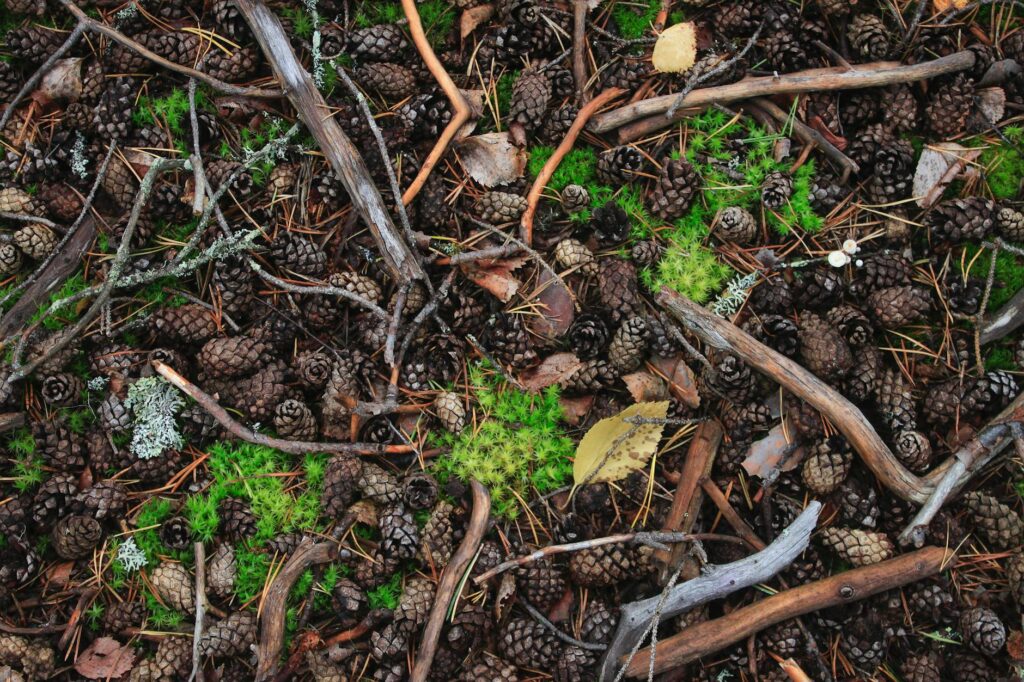
Okay, let’s get real. The world of fine fragrance can feel like a ridiculously expensive club. You smell something divine, check the price tag, and suddenly your wallet is hiding under the sofa. I’ve been there. Especially grounding, utterly gorgeous woodsy perfumes. They often come with designer names and price tags to match. But here’s the thing: you don’t need a trust fund to smell like a walk through an ancient forest. I’ve spent years sniffing out the best value in the fragrance world, and I’m here to tell you how to choose woodsy perfume that won’t make your bank account weep.
Forget the flashy marketing campaigns and the celebrity endorsements. We’re going to talk about actual scent, lasting power, and, Keyly, what you get for your hard-earned cash. This isn’t about buying the cheapest thing on the shelf. it’s about finding the best value – scents that punch above their weight class, smell sophisticated, and stick around, all without requiring a second mortgage.
Table of Contents
Why Woodsy Scents? The Allure of the Forest
There’s something primal and comforting about woodsy perfumes. They evoke images of towering trees, damp earth after rain, crackling campfires, and crisp autumn air. This olfactory connection to nature is incredibly grounding. Unlike fleeting florals or sharp citruses, woodsy notes often provide a sophisticated, stable base that feels both luxurious and accessible. They’re versatile, too – a good woodsy scent can transition smoothly from a chilly morning commute to a cozy evening out. Plus, and this is key for anyone watching their budget, woodsy notes like sandalwood and cedarwood are known for their excellent longevity. You’re investing in a scent that literally stays with you.
Real talk: In my 10+ years navigating this fragrant jungle, woodsy scents have been my constant companions. They’re reliable, sophisticated, and there’s an incredible diversity within the category. But the myth that you have to spend a fortune? Utter nonsense.
Woodsy Notes: What You’re Actually Smelling
So, what exactly makes a perfume “woodsy”? It’s all about the aromatic compounds derived from trees, roots, resins, and mosses. These aren’t just generic “tree smells”. they’re distinct olfactory profiles:
- Sandalwood: Creamy, smooth, rich, and slightly sweet. It’s a classic for a reason, offering warmth and depth.
- Cedarwood: Drier, sharper, and often described as pencil-shavings-like (in the best way!). It adds a clean, elegant structure.
- Oakmoss: Earthy, damp, and forest-floor-like. It brings a profound sense of nature and often features in chypre fragrances.
- Vetiver: Smoky, earthy, sometimes a bit leathery or grassy. It’s a powerhouse note known for its incredible staying power.
- Patchouli: Deep, earthy, and musky. Often misunderstood, good quality patchouli is sophisticated, not head-shop reminiscent.
- Pine/Fir/Spruce: Resinous, fresh, and reminiscent of Christmas trees or a walk in the evergreens. These bring an immediate crispness.
- Amber: While technically a resin accord, it often reads as warm, resinous, and slightly sweet, complementing woody notes beautifully.
Understanding these notes is your first step in knowing what to look for. If you love the smell of a pine forest, you’ll gravitate towards pine and fir notes. If you prefer a creamy, luxurious feel, sandalwood is your friend. This knowledge helps you narrow down choices, even when browsing online or at a discount retailer.
- Excellent longevity and sillage (scent projection).
- Sophisticated and versatile for various occasions.
- Grounding and comforting aroma.
- lots of interpretations from fresh pine to creamy sandalwood.
- Often perceived as higher value due to lasting power.
- Can sometimes be too heavy for very warm weather.
- Cheaper versions can smell synthetic or overly harsh.
- Some find certain notes (like patchouli) polarizing.
- Designer woodsy scents can be very expensive.
🎬 Related Video
📹 how to choose woodsy perfume — Watch on YouTube
Budget Breakthroughs: Where to Find Value Woodsy Perfumes
Here’s where the rubber meets the road for smart shoppers. You don’t need to stick to the high-end counters. Some of the best value comes from unexpected places:
- Middle Eastern Brands: Companies like Rasasi, Lattafa, and Armaf are absolute goldmines for potent, long-lasting fragrances, often featuring rich woody, oud, and amber profiles at incredibly competitive prices. Their take on woodsy scents can be bold and opulent. For example, Rasasi’s ‘Shuhrah Pour Homme’ (though marketed for men, it’s very unisex) has fantastic cedar and oakmoss elements for under $50.
- Indie Fragrance Houses: Many smaller, independent perfumers create unique, high-quality scents with natural ingredients. While some are pricey, many offer discovery kits or smaller bottles that provide excellent value. Look for brands specializing in naturals or unique woody blends. It’s worth checking out places like Etsy for smaller makers, but do your research on reviews first.
- Discount Retailers &. Online Discounters: Websites like FragranceNet, MaxAroma, and Jomashop often have significant discounts on designer and even some niche fragrances. You won’t always find the newest releases, but for established woodsy classics or slightly older popular scents, the savings can be huge. Think of brands like Montblanc, Azzaro, or even some of the less common Hugo Boss scents.
- Solid Perfumes &. Oil-Based Scents: These formats often deliver a more concentrated fragrance experience and can be very budget-friendly. A small tin of solid woodsy perfume or a rollerball of an oil-based scent can last ages and cost less than a spray bottle. Brands like LUSH sometimes offer solid woodsy options.
Honestly, I’ve found some of my most complimented woodsy scents from brands that cost less than a fancy dinner. It’s all about knowing where to look. Don’t dismiss brands just because they aren’t splashed across magazine ads.
[IMAGE alt=”Perfume bottles arranged on a rustic wooden shelf with natural light” caption=”Finding affordable woodsy perfumes often means looking beyond the mainstream.”]
Smart Shopping Strategies for Woodsy Fragrance Finds
Okay, you know where to look. Now, how do you actually make the purchase without buyer’s remorse?
- Buy Samples or Decants First: This is non-negotiable, especially when buying online or from less familiar brands. Many reputable online sellers (like Luckyscent, Twisted Lily, or even individuals on eBay selling genuine decants) offer small samples (1-5ml) of perfumes. For $5-$15, you can test a scent on your skin for a few days. Here’s INFINITELY better than blind-buying a full bottle.
- Read Reviews from Trusted Sources: Look beyond just the star ratings. Read detailed reviews on sites like Fragrantica or Basenotes. Pay attention to reviewers who describe scent profiles you understand and who mention longevity and sillage. Look for common themes in reviews regarding the woodsy notes. For example, if multiple people say a scent smells like a “damp forest floor,” and that’s what you want, it’s a good sign.
- Understand Concentration Levels: Eau de Toilette (EDT) is lighter and less concentrated than Eau de Parfum (EDP). EDPs generally last longer and are often richer, making them a better value proposition if longevity is your main goal, even if the initial price is slightly higher. A high-quality EDT can still be great, but know what you’re getting.
- Focus on Key Notes: If you know you love cedar and vetiver, search for perfumes highlighting those notes. This targeted approach prevents you from getting overwhelmed by choices. You can use note breakdowns on fragrance databases to find potential matches.
Thing is, a $30 perfume you love and wear constantly is a better buy than a $150 perfume that sits ignored in your cabinet. Value is about utility and enjoyment, not just the price tag.
When to Splurge (and When to Save) on Woodsy Perfume
Not all woodsy scents are created equal, and sometimes, a higher price does indicate superior quality, especially in complexity and ingredient sourcing. Here’s a quick guide:
Save Your Money When:
- You’re eyeing a mainstream designer scent that’s widely available at discounters.
- You find a fantastic scent from a reputable budget brand (like Lattafa or Rasasi).
- You only need a subtle skin scent for casual wear and a lighter EDT will suffice.
- You’re trying a popular scent profile that you’re unsure about – get a decant first!
Consider Splurging When:
- You’re drawn to rare, natural wood notes (like high-quality oud or aged sandalwood) that are expensive to source.
- You’ve fallen in love with a niche fragrance known for its artistic complexity and unique blend.
- You’ve tested a specific, higher-end woodsy perfume extensively and its performance and scent profile are superior to anything cheaper you’ve found.
- It’s a gift for someone incredibly special, and you want that wow factor from a renowned perfumer.
I learned this the hard way early on. I’d blow $200 on something I thought was amazing, only to find a $40 alternative that smelled 90% as good and lasted twice as long. Now, I’m much more strategic. My $30 Montblanc Explorer gets more compliments than many $200+ fragrances I’ve owned, and it has a fantastic woody base.
“The most expensive perfume isn’t necessarily the best. True value lies in how well a fragrance performs on your skin and how much joy it brings you.” – A common sentiment among seasoned fragrance enthusiasts, reflecting a shift towards personal experience over brand prestige.
Testing Woodsy Perfumes: Your Nose Knows Best
This might sound obvious, but it bears repeating: test, test, test! Perfume smells dramatically different on paper strips (scent blotters) versus on skin. Your unique body chemistry plays a huge role. What smells like a crisp forest on your friend might smell like damp cardboard on you. So, how do you test effectively, especially on a budget?
The Smart Testing Method:
- Start with Samples: As mentioned, this is ideal. Wear the sample for a full day. See how it evolves, how long it lasts, and if you enjoy it hours later.
- Visit Stores (Strategically): If you must test in-store, don’t spray a dozen things on your arm. Spray ONE scent on your wrist or inner elbow. Walk around for at least an hour, ideally longer. Notice the top notes (initial spray), the heart notes (mid-development), and the base notes (dry down).
- Avoid Over-Sniffing: Too many scents at once will fatigue your nose, making it impossible to discern differences. If you need a palate cleanser, smell coffee beans (though this is debated) or just get some fresh air.
- Revisit Later: If you liked a scent in-store, try to get a sample or decant later to test it properly in your own environment over several days.
Don’t fall for the initial blast. Woodsy perfumes, in particular, often have a less dramatic opening and bloom beautifully as they warm up on the skin, revealing their true woody heart. Patience is your best friend here.
One of the best woodsy scents I discovered was quite by accident. I was testing a completely different fragrance at Ulta, and the SA sprayed a tester of Dior Sauvage Eau de Parfum on a different spot. Hours later, the dry down was this incredible, peppery, ambroxan-heavy woody scent that just wouldn’t quit. While Sauvage isn’t exactly a budget find, it taught me to pay attention to the entire scent journey, not just the first impression, and that sometimes unexpected places reveal great notes.
Frequently Asked Questions
What’s the best way to choose a woodsy perfume for daily wear?
For daily wear, opt for woodsy perfumes with balanced notes like cedarwood, sandalwood, or a lighter vetiver. Look for Eau de Toilette concentrations for a less intense experience. Prioritize scents that aren’t overly heavy or sweet, ensuring they remain pleasant throughout the day without overwhelming others.
Are there any specific woodsy notes that tend to be more affordable?
Cedarwood and pine notes are often more affordably sourced and incorporated into fragrances compared to rare or aged sandalwood varieties. Many popular budget-friendly fragrances use cedarwood as a primary structural element in their woody base accords.
How can I tell if a woodsy perfume will last long on my skin?
Check reviews In particular mentioning longevity and sillage. Look for perfumes classified as Eau de Parfum (EDP) or Parfum, as they have higher concentrations of fragrance oil. Notes like vetiver, oakmoss, patchouli, and amber are generally known for their excellent staying power and form the base of many long-lasting woodsy scents.
Is it better to buy woodsy perfume online or in a store?
Buying in-store allows you to test scents directly on your skin — which is Key for woodsy notes that evolve over time. However, online discounters offer significant savings. The best approach is to identify scents in-store (or via samples/decants) and then purchase full bottles from reputable online retailers for the best value.
What’s a good starting point for someone new to woodsy perfumes on a budget?
A great starting point is brands like Lattafa or Rasasi — which offer affordable yet potent fragrances with prominent woody notes. Alternatively, look for sample sets from niche houses that focus on natural ingredients, allowing exploration without a large initial investment.
The Bottom Line on Choosing Woodsy Perfume
Choosing woodsy perfume doesn’t have to be an expensive ordeal. By notes, knowing where to find value, shopping smart with samples, and trusting your own nose, you can absolutely build a fantastic collection of earthy, sophisticated scents without breaking the bank. Focus on longevity, personal preference, and overall value – your wallet (and your senses) will thank you.
Last updated: April 2026.