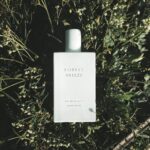
Perfume Layering Tips: Make Your Scent Unique
Forget those basic scents. Perfume layering is your secret weapon to crafting a truly unique fragrance that’s unmistakably you. It’s not about slapping random bottles together. it’s an art form that has seen a serious resurgence, moving beyond niche perfumery into the mainstream. In 2023 and 2024, we’re seeing a huge push towards personalization in beauty, and scent is no exception. This isn’t your grandma’s fragrance hack. it’s about understanding scent profiles and using them to create something entirely new. Ready to stop smelling like everyone else?
This article dives deep into practical perfume layering tips, focusing on what’s trending now and how you can adapt these techniques. We’ll cover the why, the how, and the what-not-to-dos, so you can confidently mix and match your way to olfactory bliss. It’s time to elevate your fragrance game.
What Exactly is Perfume Layering and Why Does It Matter Now?
Perfume layering, at its core, is the practice of applying multiple scented products or fragrances to your skin to create a more complex, unique, and longer-lasting scent profile. Think of it like a chef layering spices to build a rich flavor, or a DJ blending tracks to create a new vibe. The recent surge in its popularity isn’t accidental. Social media platforms, especially TikTok and Instagram, have amplified this trend, with creators showcasing their personal scent combinations. Brands are also noticing, releasing complementary body lotions, shower gels, and even solid perfumes designed to be layered with their main fragrances. It’s all about making scent personal and expressive, moving away from mass-market appeal towards individual artistry.
Why now? Because we’re craving individuality. In a world saturated with similar products, scent is one of the most intimate and immediate ways to express yourself. Plus, the quality of fragrance ingredients and the understanding of scent composition have improved drastically, making sophisticated layering more achievable and rewarding. It’s a way to extend the life of your favorite scents and discover entirely new olfactory experiences.
[IMAGE alt=”Close-up of a person spraying perfume on their wrist, with blurred perfume bottles in the background” caption=”Layering allows for a deeply personal scent expression.”]
How Do I Start Perfume Layering? The Basics
Starting with perfume layering doesn’t require a massive collection or an expert nose. It’s about fundamental building blocks of fragrance. The key is to start simple and build complexity gradually. A good rule of thumb is to begin with unscented or lightly scented base products and then layer more distinct scents on top.
Step 1: The Base Layer. Here’s Key. Before you even think about spraying perfume, apply an unscented or lightly scented body lotion or body oil. This creates a barrier on your skin, helping your fragrance last much longer. Some people opt for a very subtle, clean-scented lotion that won’t clash with their chosen perfume. For example, using a plain shea butter lotion before applying your main scent can improve longevity.
Step 2: Choose Your Scents Wisely. Don’t just grab two random bottles. Think about the scent families. Are you pairing a floral with another floral? Or maybe a woody base with a citrus top? The most successful layering often involves scents that share a common note or belong to complementary fragrance families. For instance, pairing a vanilla-based perfume with a gourmand (food-like) scent like caramel or chocolate is a classic combo.
Step 3: Application Matters. Apply your strongest or most complex scent first, usually on pulse points like wrists, neck, and behind the ears. Then, add a lighter, complementary scent. You can spray the second scent on top of the first on your wrists, or apply it to a different area. Some people even layer a scented body wash and lotion from the same line before applying an EDP or EDT.
What Fragrance Notes Should I Be Thinking About?
Understanding fragrance notes is like learning the alphabet before you can write poetry. You’ve got your Top Notes — which are the first things you smell – light, airy, and fleeting (think citrus, light florals, green notes). Then come the Middle Notes (or heart notes), which emerge after the top notes fade – they form the core of the fragrance (often florals, fruits, spices). Finally, you have the Base Notes, the deep, rich scents that linger the longest and provide the foundation (woods, musk, vanilla, amber). When layering, consider how these notes interact. A common strategy is to layer a scent with a strong base note (like a vanilla or sandalwood) with a lighter scent that has interesting top and middle notes (like a rose or bergamot).
Expert Tip: Don’t be afraid to layer a perfume with a complementary scented hair mist or body oil. These often have lighter concentrations and can add a subtle dimension without overpowering your main scent. For instance, a light rose body oil can beautifully enhance a floral perfume.
Honestly, for the longest time, I thought layering meant just spraying one perfume over another. I was so wrong. My first attempt involved trying to layer a heavy oud with a light aquatic, and let’s just say it was a disaster. It smelled like a confused chemist’s lab. The key is harmony, not just combination. Think about what notes already exist in your favorite perfumes and try to find something that either echoes them or provides a beautiful contrast.
🎬 Related Video
📹 perfume layering tips — Watch on YouTube
Combining Different Perfumes: Successful Pairings to Try
Here’s where the fun really begins. While personal preference is king, certain combinations have a reputation for working exceptionally well. Here are a few ideas to get you started, moving beyond basic scent families:
- Woody + Citrus: Think of a warm sandalwood base paired with a bright, zesty lemon or grapefruit top. This creates a scent that’s grounded yet uplifting. A fragrance like Tom Ford Oud Wood could be layered with a bright citrus cologne.
- Floral + Gourmand: A classic for a reason. Imagine a delicate rose or jasmine paired with sweet vanilla, caramel, or even a hint of coffee. This adds warmth and sensuality. Jo Malone’s Velvet Rose &. Oud often gets layered with their sweeter scents.
- Spicy + Fruity: A cinnamon or cardamom note can add a lovely depth to a juicy peach or berry scent. It’s warm, inviting, and slightly exotic.
- Aquatic + Musk: For a clean, fresh, and slightly sensual vibe, pair a watery, oceanic scent with a soft musk. It’s perfect for everyday wear and feels incredibly sophisticated.
I’ve found that layering a fragrance with a strong amber base, like something from the house of Amouage, with a lighter, fresher scent that has a distinct citrus or green note can create an incredibly dynamic and unique signature. It balances richness with airiness.
[IMAGE alt=”Three perfume bottles in a row: one woody, one floral, one citrus” caption=”Consider pairing scents from complementary fragrance families.”]
Perfume Layering Tips for Longevity
One of the biggest benefits of perfume layering is enhanced longevity. A single spray of an Eau de Toilette (EDT) might fade within a few hours, but by strategically layering, you can make your scent signature last all day (and sometimes into the night!). Here’s how:
1. The Unscented Base Layer: I can’t stress this enough. Hydrated skin holds fragrance better. Use an unscented body lotion or oil before applying any perfume. This creates a smooth canvas and prevents the alcohol in your fragrance from evaporating too quickly.
2. Layer Similar Fragrance Families: While contrasting notes can be exciting, layering scents within the same or closely related families (e.g., two different florals, or a vanilla-based scent with a caramel one) often creates a more cohesive and enduring aroma. The notes blend harmoniously, enhancing each other’s staying power.
3. Strategic Application Points: Apply scents to pulse points – wrists, behind the ears, the base of your throat, and the inner elbows. Heat generated by these areas helps diffuse the fragrance throughout the day. Avoid rubbing your wrists together after application, as this can break down the scent molecules and reduce longevity.
4. Consider Scent Concentration: Start with lighter formats like body mists or shower gels, then move to EDTs, and finish with an Eau de Parfum (EDP) or a perfume oil. The heavier concentrations will provide the longest-lasting base. For example, using a Maison Francis Kurkdjian Aqua Universalis body wash and lotion before applying the Aqua Universalis EDP is a fantastic way to boost its presence.
Important Note: Be mindful of overwhelming your senses or those around you. Start with lighter application for each layer and gradually increase if needed. The goal is a beautiful, evolving scent, not a fragrance cloud that precedes you by 10 feet.
Common Mistakes to Avoid When Layering Fragrances
Even with the best intentions, layering perfumes can go wrong. Most people I talk to make one of these common errors:
- Over-Layering: Trying to combine too many different scents at once. Three distinct fragrances is usually the absolute maximum, and even then, it’s risky. Stick to two, or a fragrance with a matching body product.
- Ignoring Scent Profiles: Mismatched scent families can clash horribly. Think of mixing a very sweet, heavy oriental with a sharp, clean aquatic. It rarely ends well.
- Not Testing First: Always test your combinations on a test strip or on your skin before committing. What smells good in the bottle might react unexpectedly on your skin chemistry.
- Forgetting the Base: Skipping the unscented lotion or oil is a rookie mistake that shortens your scent’s lifespan.
Honestly, the biggest mistake I see is people thinking they have to layer complex designer fragrances. Sometimes, the best layering is simple: a great unscented lotion and your favorite perfume. Or, using a matching body wash and lotion from the same fragrance line, like the popular Kilian Good Girl Gone Bad line’s accompanying products.
Blockquote: “The art of perfume is to create a scent that’s memorable and unique, yet universally appealing. Layering allows individuals to achieve this by curating their personal olfactory signature.” – A quote often attributed to perfumer Jean-Claude Ellena, highlighting the artistic aspect of fragrance creation.
Are There Any Tools or Products That Help With Layering?
Absolutely! While your existing fragrance collection is your primary toolkit, some products are In particular designed to aid in layering. Many high-end and niche fragrance houses now offer complementary body lotions, shower gels, and even solid perfume versions of their popular scents. For example, Tom Ford’s Private Blend collection often has matching lotions for their fragrances. This is the safest way to start layering, as the scents are designed to harmonize.
Beyond brand-specific lines, there are also unscented or subtly scented body oils and lotions that act as excellent neutral bases. Brands like Kiehl’s offer fantastic unscented body lotions that provide moisture without interfering with your chosen fragrance. Some niche brands even create ‘scent boosters’ or ‘fragrance enhancers’ – often clear oils with complex accords designed to add a specific note (like musk or amber) to any perfume.
Here’s a quick rundown of helpful product types:
| Product Type | How it Helps Layering | Example Brands/Products |
|---|---|---|
| Unscented Body Lotion/Oil | Provides a base for fragrance adhesion, increasing longevity. | Kiehl’s Creme de Corps, Pure Shea Butter |
| Matching Body Wash/Lotion Sets | Guarantees scent harmony and amplifies the main fragrance. | Jo Malone London Bath & Body, Tom Ford Private Blend Lotions |
| Fragrance Enhancers/Boosters | Adds a specific note (e.g., musk, amber) to amplify or alter a scent. | Not many mainstream examples, often found in niche perfumery. |
| Solid Perfumes | Portable and great for touch-ups or subtle layering on pulse points. | Lush solid perfumes, various niche brands |
The official Parfums de Marly website often showcases how their fragrances can be layered for a richer experience, providing inspiration for sophisticated combinations.
Frequently Asked Questions
Can I layer any two perfumes together?
While you can technically spray any two perfumes, it’s not always advisable. Successful layering usually involves complementary scent families or shared notes. Layering vastly different scent profiles can result in a clashing, unpleasant aroma. Start with similar fragrance families for best results.
How many perfumes can I layer at once?
It’s best to stick to two distinct perfumes, or one perfume combined with a matching scented body product (like lotion or shower gel). Layering more than two complex fragrances can quickly become overwhelming and create a discordant scent that’s hard to wear.
Does layering make perfume last longer?
Yes, perfume layering can increase fragrance longevity. Applying an unscented or lightly scented base product first helps your skin retain moisture — which in turn helps the fragrance adhere better and evaporate more slowly. Layering complementary scents also reinforces the overall aroma.
What’s the difference between layering and just wearing a strong perfume?
Layering is about creating a new, unique scent profile by blending distinct fragrance components. A strong perfume is typically a single fragrance with a high concentration (like an EDP or Parfum) that’s potent and long-lasting on its own without needing additional scents.
Where should I apply layered perfumes?
Apply your base layer (lotion/oil) to pulse points. Then, apply your first perfume to pulse points like wrists and neck. If layering a second perfume, you can apply it directly over the first on your wrists, or to a different pulse point like behind the ears or décolletage for a more diffused effect.
Bottom line: Perfume layering isn’t just a trend. it’s a sophisticated way to express your individuality through scent. By understanding notes, choosing complementary fragrances, and using the right base products, you can move beyond generic scents and create something truly personal. It’s about experimentation, but with a little guidance, you’ll be crafting unique aroma masterpieces in no time.