Music for Relaxation: Picking Your Perfect Soundscape
I remember one especially brutal week back in 2018. Deadlines were piling up, my inbox was a warzone, and sleep felt like a distant memory. I’d tried everything – deep breathing, counting sheep (useless), even that weird herbal tea my aunt swore by. Nothing touched the frantic buzzing in my brain. Then, scrolling through a streaming service, I stumbled upon a playlist simply titled ‘Deep Focus.’ Skeptical, I hit play. Within minutes, the chaotic noise in my head started to… well, quiet down. It wasn’t a miracle cure, but it was a start. That was my first real dive into the power of music for relaxation, and let me tell you, it’s a rabbit hole with a lot of different tunnels.
Finding music that actually helps you unwind isn’t as simple as just picking something ‘chill.’ What works for your friend who swears by lo-fi beats might be nails on a chalkboard for you. The key is different types of music for relaxation and, more importantly, figuring out what your brain and body respond to. We’re talking about finding your personal sonic sanctuary.
What Exactly is ‘Music for Relaxation’ Anyway?
At its core, music for relaxation is any auditory input designed to reduce stress, promote calmness, and induce a state of ease. This sounds simple, but the actual ‘how’ is incredibly varied. It taps into the way music affects our nervous system, influencing heart rate, blood pressure, and even hormone levels like cortisol. Think of it as a conscious tool to nudge your brain out of ‘fight or flight’ mode and into ‘rest and digest.’ The goal is to create an environment where your mind can slow down, your muscles can loosen, and your overall sense of well-being can improve. It’s not just background noise. it’s active sonic therapy for your everyday chaos.
But here’s the kicker: what constitutes ‘relaxing’ is deeply personal. Factors like your cultural background, personal associations with certain sounds, and even your current mood can dramatically change how a piece of music affects you. That upbeat jazz track that gets one person tapping their foot might send another into a mild panic if it reminds them of a stressful dentist appointment. So, while there are general principles, the real magic happens when you experiment and discover what resonates with YOU.
The Big Players: Different Flavors of Calm
Alright, let’s break down the most common categories of music for relaxation. I’ve tried a bunch of these over the years, and honestly, my go-to changes depending on the day. Here’s a look at what’s out there:
- Classical Music: Often features complex harmonies and structured compositions. Composers like Bach, Mozart, and Debussy can create a sense of order and tranquility. Slow tempos and predictable patterns are key.
- Ambient Music: Characterized by atmospheric textures and lack of a strong rhythmic pulse. Brian Eno is basically the godfather here. It’s designed to blend into the background without demanding attention, creating a sonic ‘mood.’
- Nature Sounds: Rain falling, ocean waves, birds chirping – these are universally recognized as soothing. They often lack human-made complexity — which can be incredibly calming for an overstimulated mind.
- Lo-fi Hip Hop / Chillhop: This has exploded in popularity for study and relaxation. It’s characterized by mellow beats, jazzy samples, and a generally laid-back vibe. It provides a gentle rhythm without being intrusive.
- Meditation &. Mindfulness Music: In particular designed with practices like meditation in mind. Often uses drones, slow tempos, and specific frequencies (like binaural beats, though their effectiveness is debated) to aid focus and inner peace.
- Binaural Beats: These involve playing slightly different frequencies in each ear, theoretically creating a ‘third’ tone in your brain that can influence brainwave activity. Often pitched as a way to induce specific states like relaxation or focus.
- Classical Music: For some, complex classical pieces can be too stimulating or even agitating if they’re expecting pure simplicity. Familiarity can also be an issue. a piece might be too dramatic.
- Ambient Music: Can sometimes feel aimless or boring to those who prefer a more defined structure or rhythm. It requires a certain openness to simply be with the sound.
- Nature Sounds: While generally calming, specific sounds can be triggering (e.g., thunderstorms for some). Also, repetitive loops can become irritating over time.
- Lo-fi Hip Hop / Chillhop: The vocal samples or unexpected beat drops, while rare, can jolt you out of a relaxed state. It’s also more ‘active’ than pure ambient music.
- Meditation &. Mindfulness Music: Can sometimes be too sparse or monotonous, making it hard to focus for longer periods. Over-reliance can also prevent developing internal coping mechanisms.
- Binaural Beats: Scientific evidence supporting their effectiveness is mixed, and they require headphones for the intended effect. Some find the pulsing sound distracting.
How to Actually Find Your Perfect Relaxation Music
Okay, so you’ve got the lay of the land. Now what? Here’s my practical, tried-and-tested approach to finding the music that actually works for you, not just what Spotify’s algorithm thinks you want.
1. Define Your Goal (Not Just ‘Relax’)
Are you trying to fall asleep? Focus on a work project? De-stress after a long day? Wind down before bed? Each goal might call for a different type of music. For deep sleep, you probably want something extremely minimal and without sudden changes – think ambient or very slow classical. For focus, a gentle, steady beat like lo-fi might be better. For general stress relief, nature sounds or instrumental pieces could hit the spot. Be specific about what you need the music to do.
2. Experiment Like a Mad Scientist (But a Calm One)
Seriously, don’t just stick to one playlist. Dedicate a few evenings or work sessions to trying different genres. Use streaming services like Spotify, Apple Music, or YouTube. Search for terms like ‘ambient study music,’ ‘gentle rain sounds for sleep,’ ‘calming classical piano,’ or ‘lo-fi beats to relax/study to.’ Pay attention to how your body and mind react. Do you feel your shoulders drop? Does your breathing deepen? Or do you find yourself getting restless or distracted?
Expert Tip: Don’t discount instrumental versions of songs you already love. Sometimes, the lyrical content can subconsciously trigger thoughts or emotions that pull you away from relaxation. An instrumental take can give you the melodic familiarity without the narrative distraction.
3. Consider the Tempo and Complexity
Generally speaking, slower tempos (think 60-80 beats per minute, around your resting heart rate) tend to be more relaxing. Music with a lot of sudden dynamic shifts, complex melodies, or jarring harmonies is less likely to induce calm. Look for music that flows smoothly and predictably. Here’s why many people find classical music by composers like Erik Satie or Claude Debussy especially effective. their pieces often have a flowing, impressionistic quality.
Honestly, I used to think anything with a beat was too much. But then I discovered some lo-fi artists on YouTube, like Nujabes (RIP), and found that a gentle, consistent rhythm could actually be more grounding than silence or pure ambient tones. It’s about finding that sweet spot where the music supports your state, rather than fighting against it.
4. The Role of Sound Quality and Headphones
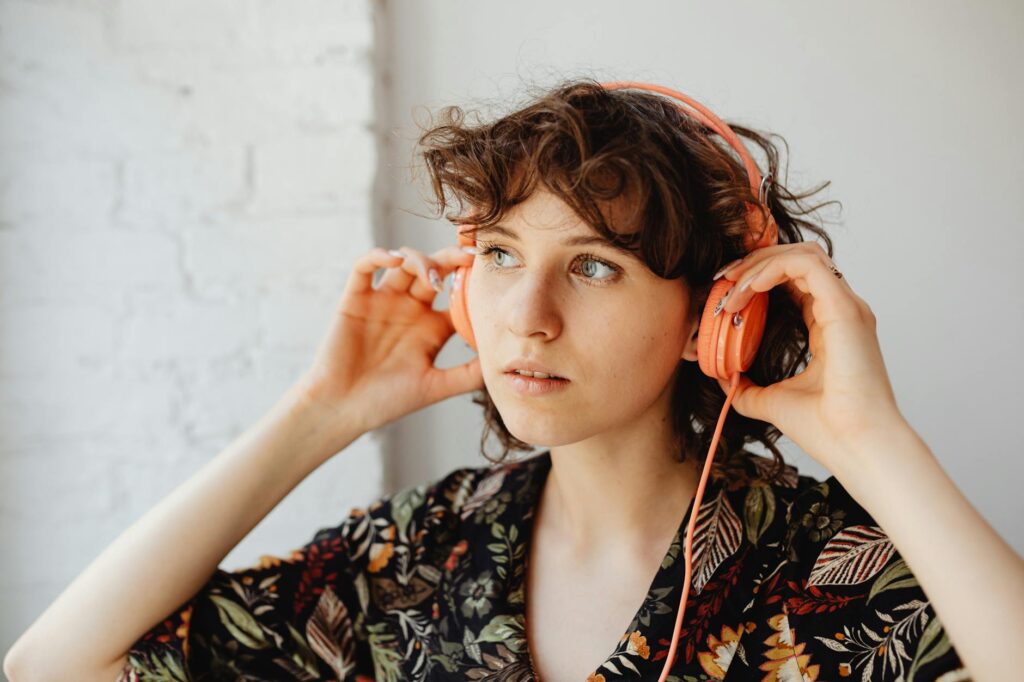
This might seem obvious, but the quality of the audio matters. Tinny, poorly produced music won’t be as effective. If you’re serious about using music for relaxation, investing in decent headphones can make a huge difference, especially for ambient tracks or binaural beats where subtle details are key. Good headphones can create a more immersive experience, helping to block out distracting external noises and truly envelop you in your chosen soundscape. For nature sounds, high-fidelity recordings are essential.
5. Don’t Forget the Silence (or Near-Silence)
Sometimes, the best ‘music’ for relaxation is actually the absence of it, or something incredibly subtle. White noise machines, or even just a fan running, can provide a consistent, unobtrusive sound that masks more jarring environmental noises. Apps like myNoise.net offer a vast array of customisable sound generators, from rain to ‘pink noise,’ allowing you to fine-tune your background sonic environment. It’s about controlling the auditory landscape to your advantage.
Important Note: While many people find binaural beats helpful for relaxation and focus, the scientific evidence is still debated. They require stereo headphones to work as intended, and some individuals find the pulsing sensation more distracting than calming. If you’re curious, give them a try, but don’t expect a guaranteed magic bullet.
🎬 Related Video
📹 music for relaxation — Watch on YouTube
When Music for Relaxation Just Isn’t Enough
Look, I’m a huge proponent of music for relaxation. It’s helped me immeasurably. But it’s not a cure-all. If you’re struggling with significant anxiety, chronic stress, or sleep issues, music is a fantastic complementary tool, not a replacement for professional help. Therapies like Cognitive Behavioral Therapy (CBT) or treatments recommended by your doctor are Key for addressing underlying issues. Remember that time in 2020 when everyone suddenly became a wellness guru online? Yeah, let’s not do that. Be discerning. Use music to support your well-being, but don’t hesitate to seek expert advice when you need it.
Consider resources like the National Institutes of Health (NIH) for scientifically backed information on stress management and mental well-being. They offer a wealth of data and research that can guide you toward evidence-based solutions beyond just playlists.
Frequently Asked Questions
Is classical music truly the best for relaxation?
Classical music, especially pieces with slow tempos and predictable structures, is often cited as excellent for relaxation due to its calming effect on the nervous system. However, ‘best’ is subjective. ambient, nature sounds, and lo-fi hip hop are also highly effective for many individuals seeking peace.
How quickly can music for relaxation start working?
For many people, the effects can be noticeable within minutes of listening. Music influences heart rate and stress hormones, so you might feel a sense of calm or a reduction in muscle tension relatively quickly, though deeper relaxation may take longer.
Can listening to music for relaxation actually improve focus?
Yes, certain types of music, like instrumental ambient or lo-fi hip hop with a steady beat, can create a conducive environment for focus by masking distractions and promoting a calm mental state without being overly stimulating.
What’s the difference between ambient music and nature sounds?
Ambient music is often electronically generated atmospheric sound designed to create a mood, while nature sounds are recordings of natural environments like rain or birds. Both aim to be non-intrusive but differ in their origin and texture.
Do I need special equipment to listen to music for relaxation?
While good quality headphones can enhance the experience, especially for binaural beats or detailed ambient tracks, you don’t strictly need special equipment. Any device capable of playing audio, even basic earbuds or speakers, can be used to explore music for relaxation.
Your Sonic Path to Serenity
In the end, the journey to finding your perfect music for relaxation is an exploration. It’s about tuning into your own needs and experimenting with the incredible variety of sounds available. Don’t be afraid to try genres you’ve never considered, and don’t get discouraged if the first few attempts don’t hit the mark. The right soundscape is out there, waiting to help you find a little more peace in your day. What I’d recommend is making it a regular practice, not just a one-off fix. Build your personal library, and enjoy the calm.