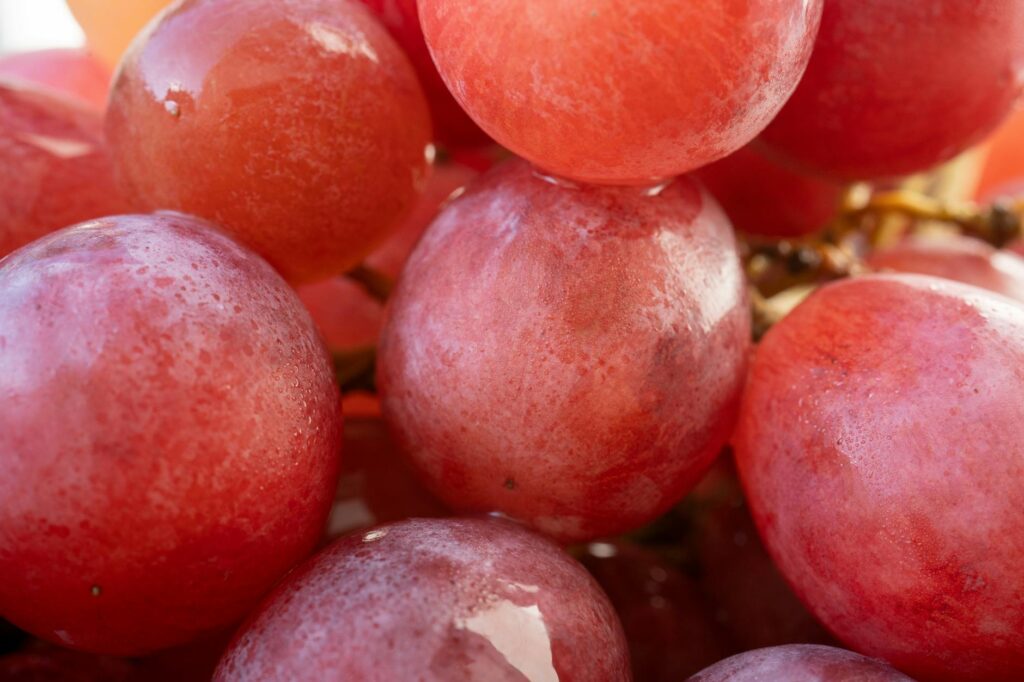
Plump Tomato Perfection: Your Guide to Juicier Results
Achieving that dream of a truly plump tomato, one that feels heavy with juice and offers a burst of intense flavor, is a goal for many gardeners. It’s more than just growing a tomato; it’s about cultivating an experience. This complete guide will walk you through the essential steps and considerations to ensure your tomato plants yield the most succulent, satisfying fruit possible.
Featured Snippet Answer: To grow a plump tomato, focus on consistent watering, rich soil, ample sunlight, and choosing the right varieties. Proper feeding, pruning, and timely harvesting are also key. Avoid common mistakes like inconsistent watering or poor soil, which can lead to smaller, less juicy fruit.
Table of Contents
What Makes a Tomato Plump?
A plump tomato is characterized by its size, weight, and succulence. This desirable quality stems from a combination of factors: genetics of the tomato variety, optimal growing conditions, and proper plant care. Essentially, a plump tomato is one that has been able to fully develop its internal tissues and fill with water and sugars, leading to that satisfying density and juicy interior.
In my years of gardening, I’ve learned that consistency is king. A plant that experiences stress—whether from drought, nutrient deficiency, or temperature swings—will struggle to produce those ideal, plump fruits. The goal is to provide an environment where the tomato plant can thrive and put all its energy into fruit development.
Choosing the Right Plump Tomato Varieties
Not all tomatoes are created equal when it comes to achieving plumpness. Some varieties are naturally bred for size and a high water content, while others are meant for slicing or paste. Selecting the right type is your first step towards a plump tomato harvest.
Consider these categories:
- Beefsteak Tomatoes: Often among the largest, these are excellent candidates for plumpness. Varieties like ‘Brandywine’ or ‘Mortgage Lifter’ are renowned for their size and juicy interiors.
- Heirloom Tomatoes: Many heirlooms, like ‘Cherokee Purple’ or ‘Mortgage Lifter’, are prized for their complex flavors and substantial fruit size. They often have a wonderful, tender skin that contributes to a plump feel.
- Large Slicers: Even non-heirloom large varieties such as ‘Big Boy’ or ‘Early Girl’ can produce impressively plump tomatoes if given the right conditions.
When choosing, look for descriptions that mention large fruit size, juicy texture, and good disease resistance. A healthy plant is more likely to produce plump fruit.
🎬 Related Video
📹 plump tomato — Watch on YouTube
The Foundation: Soil Preparation for Plumpness
The soil is where it all begins. For a plump tomato, you need soil that is rich in organic matter, well-draining, and slightly acidic to neutral (pH 6.0-6.8). This provides the essential nutrients and structure the plant needs to produce large, juicy fruits.
Before planting, amend your soil generously. Incorporate compost, aged manure, or other organic materials. This not only feeds the plant but also improves soil structure, aiding in both water retention and drainage – a critical balance for tomato health.
If you’re planting in containers, use a high-quality potting mix designed for vegetables. Ensure the containers have adequate drainage holes. For instance, a 5-gallon pot is a good starting point for a single indeterminate tomato plant, but larger is often better for root development and moisture retention.
Watering Strategies for Juicy Tomatoes
Consistent watering is perhaps the most critical factor in growing a plump tomato. Inconsistent watering leads to stressed plants, which can manifest in cracked fruit, blossom end rot (a calcium uptake issue often exacerbated by uneven moisture), and smaller overall fruit size.
How to Water Effectively:
- Water Deeply and Consistently: Aim to keep the soil evenly moist, but not waterlogged. Water at the base of the plant to avoid wetting the foliage, which can encourage disease. The goal is to saturate the root zone.
- Check Soil Moisture: Stick your finger about an inch or two into the soil. If it feels dry, it’s time to water. This is more reliable than watering on a fixed schedule.
- Mulch is Your Friend: Apply a 2-3 inch layer of organic mulch (like straw, shredded bark, or compost) around the base of the plants. Mulch helps retain soil moisture, suppress weeds, and regulate soil temperature.
During hot, dry spells, you might need to water daily. In cooler, wetter weather, watering every few days may suffice. Listen to your plants and feel the soil.
Nutrient Needs for a Plump Tomato
Tomatoes are heavy feeders, especially when they are producing fruit. Providing the right nutrients at the right time is essential for developing large, juicy tomatoes. A balanced fertilizer is important initially, but as the plant begins to flower and set fruit, a fertilizer slightly higher in phosphorus and potassium can be beneficial.
Fertilizer Breakdown:
- Early Growth: Use a balanced fertilizer (e.g., 10-10-10) or one formulated for tomatoes.
- Fruiting Stage: Switch to a fertilizer lower in nitrogen and higher in phosphorus and potassium (e.g., 5-10-10 or similar). Too much nitrogen can lead to lush foliage at the expense of fruit production and plumpness.
- Calcium: Ensure adequate calcium. While often present in fertilizers, if you suspect a deficiency, a calcium spray can be applied directly to the leaves or fruit as a foliar feed.
Always follow the instructions on your fertilizer packaging. Over-fertilizing can be just as harmful as under-fertilizing.
Maximizing Sunlight and Providing Support
Tomatoes thrive in full sun, requiring at least 6-8 hours of direct sunlight daily to produce energy for fruit development. Ensure your plants are located in the sunniest spot in your garden. Insufficient sunlight will result in smaller, less flavorful, and decidedly less plump tomatoes.
Support is also crucial. Indeterminate varieties, which grow and produce fruit throughout the season, need sturdy support to keep the heavy, plump tomatoes off the ground. This prevents rot and disease.
Common support methods include:
- Stakes: Drive a sturdy stake into the ground next to the plant and tie the main stem to it as it grows.
- Cages: Place a tomato cage around the plant when it’s young. The plant will grow up through the cage, providing support.
- Trellises: Train plants to grow up a trellis system.
Proper support ensures good air circulation, which is vital for disease prevention and allows sunlight to reach all parts of the plant and fruit.
Common Mistakes That Hinder Plumpness
Even with the best intentions, gardeners can make mistakes that prevent their tomatoes from reaching their full plump potential. Recognizing these common pitfalls is key to avoiding them.
- Consistent moisture leads to juicy, crack-free fruit.
- Rich soil provides essential nutrients for growth.
- Ample sunlight fuels strong fruit development.
- Choosing the right variety sets you up for success.
- Inconsistent watering causes cracking and blossom end rot.
- Poor soil leads to stunted growth and small fruit.
- Lack of sunlight results in poor fruit set and flavor.
- Over-fertilizing with nitrogen creates excessive foliage, not fruit.
- Planting too close restricts air circulation and light.
One of the most frequent errors I see is over-pruning indeterminates too late in the season, or conversely, not pruning at all. While indeterminate tomatoes benefit from some pruning to improve air circulation and focus energy on fruit, excessive pruning can shock the plant. For determinate varieties, minimal pruning is usually best.
Another mistake is planting tomatoes too close together. Tomatoes need space for their roots to spread and for air to circulate around the foliage. Overcrowding invites disease and competition for resources, hindering the development of plump fruit.
According to the University of California, Agriculture and Natural Resources, inconsistent watering is a primary cause of fruit cracking in tomatoes, which directly impacts their visual appeal and plumpness. Consistent moisture helps the fruit expand evenly.
When to Harvest Your Plump Tomato
The final step to enjoying your plump tomato is harvesting it at the perfect moment. A tomato that is picked too early will not have developed its full flavor or juiciness, while one left on the vine too long might be overripe, prone to pests, or even split.
Signs of ripeness include:
- Color: The tomato should have reached its mature color (usually a deep red for most varieties, but can be yellow, orange, or even purple for heirlooms). The color should be uniform across the fruit.
- Feel: Gently squeeze the tomato. It should feel firm but yield slightly to gentle pressure, indicating ripeness and juiciness. It should feel heavy for its size.
- Ease of Picking: A ripe tomato will often detach from the vine with a gentle twist. If you have to pull hard, it’s likely not quite ready.
For the absolute best flavor and plumpest texture, allow tomatoes to ripen fully on the vine. However, if frost threatens or pests become a major issue, you can pick them at the ‘breaker’ stage (when they just start to show color) and ripen them indoors.
to ensure your plants stay healthy enough to produce those perfect fruits.
Frequently Asked Questions
What is the best soil for growing plump tomatoes?
The ideal soil for plump tomatoes is rich in organic matter, well-draining, and slightly acidic to neutral (pH 6.0-6.8). Amending with compost or aged manure improves structure and provides essential nutrients, supporting strong fruit development and consistent moisture retention crucial for juiciness.
How often should I water for plump tomatoes?
Water deeply and consistently, aiming to keep the soil evenly moist but not waterlogged. Check soil moisture by sticking your finger an inch or two into the ground; water when dry. Mulching significantly helps maintain this vital consistency for plump tomato growth.
Can I grow plump tomatoes in containers?
Yes, you can grow plump tomatoes in containers, but choose larger pots (at least 5-10 gallons) and use a high-quality potting mix. Ensure excellent drainage. Consistent watering and feeding are even more critical in containers due to limited soil volume.
What fertilizer promotes the plumpest tomatoes?
For plump tomatoes, use a balanced fertilizer during early growth, then switch to one lower in nitrogen and higher in phosphorus and potassium as the plant fruits. This encourages fruit development over excessive leaf growth, leading to larger, juicier tomatoes.
Why are my tomatoes not plump?
Your tomatoes might not be plump due to inconsistent watering, poor soil quality, insufficient sunlight, choosing the wrong variety, or nutrient imbalances. Stress from any of these factors can prevent the fruit from reaching its full size and juiciness potential.
Ready to Grow Your Best Plump Tomato Yet?
Growing a truly plump tomato is an art and a science, but one that is well within your reach. By understanding the fundamental needs of the tomato plant—from the soil it grows in and the water it drinks, to the nutrients it consumes and the sun it basks in—you can significantly enhance the size, juiciness, and overall appeal of your harvest. Remember to select varieties known for their succulent fruits, maintain consistent care, and avoid those common mistakes that can sabotage your efforts.
Start implementing these strategies today, and you’ll be well on your way to enjoying the most satisfying, plump tomato your garden has ever produced.
For more expert gardening advice, explore resources from the University of California Agriculture and Natural Resources, a leading authority on horticultural practices.