

The Cutting Edge: What Defines the Best Innovations of 2026?
As of May 2026, the pace of innovation continues to accelerate, bringing forth advancements that were once the stuff of science fiction. Identifying the “best” innovations is subjective, but as of this year, a few key areas stand out for their potential to profoundly impact our lives, industries, and the planet. These aren’t just incremental upgrades; they represent significant leaps in capability, efficiency, and sustainability.
Last updated: May 16, 2026
Key Takeaways
- Artificial intelligence continues its rapid evolution, with significant strides in generative AI and specialized applications.
- Sustainable technologies are moving from niche to mainstream, driven by consumer demand and regulatory pressure.
- Biotechnology is unlocking new possibilities in personalized medicine and agricultural efficiency.
- The ongoing development in quantum computing promises to transform complex problem-solving.
- Advanced materials and robotics are enhancing everything from manufacturing to everyday convenience.
AI and Machine Learning: Beyond the Hype
Artificial intelligence has moved beyond its nascent stages and is now a ubiquitous force in 2026. We’re seeing sophisticated generative AI models capable of creating highly realistic content, aiding in creative processes and complex data analysis. Beyond creativity, specialized AI is transforming fields like healthcare, with diagnostic tools that can identify diseases with remarkable accuracy and speed. For instance, AI-powered image recognition algorithms, as highlighted by recent advancements in medical imaging analysis, are now integral to early detection efforts.
From a business perspective, AI is optimizing supply chains, personalizing customer experiences, and automating complex tasks. Companies are using AI for predictive maintenance, reducing downtime and costs. According to a report by Gartner in early 2026, businesses that have integrated AI into their core operations are seeing an average efficiency gain of 15-20% compared to those that haven’t. This integration, however, also brings challenges related to data privacy and ethical deployment, areas that are seeing increased regulatory scrutiny.

Sustainable Technologies: The New Standard
Sustainability is no longer a buzzword but a core driver of innovation in 2026. We’re witnessing significant advancements in renewable energy storage, making solar and wind power more reliable. Innovations in battery technology, including solid-state batteries and advanced flow batteries, are crucial for grid-scale storage and electric vehicle adoption. For example, companies are now deploying advanced battery systems that can store enough energy to power a small town for several days, a marked improvement from just a few years ago.
The circular economy is also gaining traction, with new materials and manufacturing processes designed to minimize waste and maximize resource utilization. This includes biodegradable plastics, advanced recycling techniques that can process complex materials, and modular product designs that facilitate repair and upgrades. The push towards net-zero emissions is fueling innovation in carbon capture technologies and sustainable agriculture, aiming to reduce the environmental footprint of essential industries. The United Nations’ 2026 report on global sustainability trends indicates a 25% increase in investment in green technologies compared to 2023.
Biotechnology’s Precision Impact
The field of biotechnology is experiencing a surge of innovation, particularly in personalized medicine. Advances in genomics and gene editing technologies like CRISPR are enabling treatments tailored to an individual’s genetic makeup. This means more effective therapies with fewer side effects for conditions ranging from genetic disorders to certain types of cancer. As of May 2026, several clinical trials are showing promising results for gene therapies treating inherited diseases.
Beyond human health, biotechnology is revolutionizing agriculture. Innovations in crop science are leading to more resilient, nutritious, and high-yield crops that can thrive in challenging climates, addressing global food security concerns. Lab-grown meat and alternative protein sources are also becoming more viable and scalable, offering sustainable alternatives to traditional animal agriculture. These advancements are critical for feeding a growing global population while reducing environmental impact.
Quantum Computing: Unlocking New Frontiers
While still in its developmental stages for widespread commercial use, quantum computing is undeniably one of the most significant emerging innovations of 2026. Its potential to solve complex problems that are intractable for even the most powerful classical supercomputers is immense. This has profound implications for fields like drug discovery, materials science, financial modeling, and cryptography. Companies are investing heavily in quantum research, and we are seeing increasingly stable quantum processors with higher qubit counts.
The practical applications are beginning to emerge. In research settings, quantum computers are already being used to simulate molecular interactions for new drug development, a process that could significantly speed up the discovery of life-saving medicines. The National Institute of Standards and Technology (NIST) is actively developing post-quantum cryptography standards, anticipating the need to secure data against future quantum decryption capabilities. While a fully realized quantum computer is still some years away, the progress in 2026 marks a crucial step towards that future.
Materials Science and Robotics: Enhancing Efficiency and Experience
Innovation in materials science is providing the building blocks for many other technological advancements. We’re seeing the development of lighter, stronger, and more sustainable materials, such as advanced composites and self-healing polymers. These materials are finding applications in aerospace, automotive, and construction, leading to more durable and efficient products.
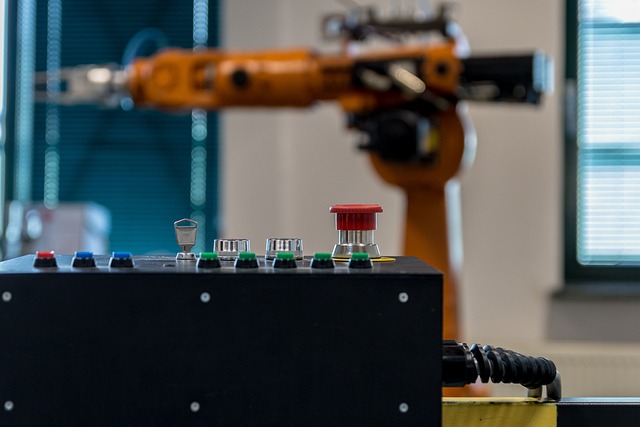
Robotics, too, is advancing rapidly. Beyond industrial automation, collaborative robots (cobots) are becoming more common in workplaces, working alongside humans to improve productivity and safety. In the consumer space, advancements in AI and sensor technology are leading to more sophisticated domestic robots, from advanced cleaning systems to personal assistants that can perform a wider range of tasks. The development of dexterous robotic hands, capable of fine manipulation, is a key breakthrough as of May 2026, opening doors for more complex tasks in manufacturing and healthcare.
Wearable Technology and Smart Environments
Wearable technology in 2026 is becoming more integrated and less obtrusive, moving beyond basic fitness tracking. Smart rings, advanced smartwatches, and even discreet biosensors are providing continuous health monitoring, offering insights into vital signs, sleep patterns, and stress levels. These devices are increasingly connected to healthcare providers, enabling proactive health management and early intervention. For example, a person wearing a smart ring might receive an alert about an irregular heartbeat, prompting them to seek medical advice.
Complementing wearables, smart environments are becoming more intelligent. Smart homes and smart cities are using interconnected devices and AI to optimize energy usage, enhance safety, and improve convenience. From self-adjusting home climate systems to traffic management that reduces congestion, these integrated environments are designed to respond dynamically to the needs of their occupants and citizens. The integration of 5G and emerging 6G technologies is accelerating the responsiveness and capability of these connected systems.
Practical Tips: Embracing 2026’s Innovations
For individuals and businesses alike, staying abreast of these innovations is key to thriving. Practically speaking, start by identifying areas where these advancements can offer the most value. For consumers, this might mean exploring energy-efficient appliances, advanced health wearables, or smart home devices that offer tangible benefits like cost savings or improved well-being.
For businesses, the strategy involves evaluating how emerging technologies can solve specific problems, enhance productivity, or create new market opportunities. This doesn’t always mean adopting the newest gadget; it often means understanding the underlying technological shifts. For instance, a retail business might explore AI-powered inventory management or personalized marketing tools rather than simply looking for the latest point-of-sale hardware. Investing in employee training to understand and use these new tools is also crucial for successful adoption.
Navigating the Challenges of New Technologies
While the best innovations of 2026 offer immense promise, it’s important to acknowledge their potential drawbacks. Data privacy and security remain paramount concerns, especially with the proliferation of AI and connected devices. Ensuring strong cybersecurity measures and transparent data handling practices is essential. The ethical implications of AI, such as bias in algorithms and job displacement, also require careful consideration and proactive management.
And, the cost of implementing latest technologies can be a barrier. For individuals, this might mean prioritizing essential upgrades over aspirational ones. For businesses, a phased approach to adoption, starting with pilot programs and focusing on ROI, is often advisable. As the U.S. Chamber of Commerce noted in a 2026 report on technology adoption, early-stage technologies can also have unforeseen bugs or compatibility issues, necessitating patience and a willingness to adapt.

The Road Ahead: Continuous Evolution
The innovations defining 2026 are not endpoints but milestones on a continuum. We can expect further integration of AI across all sectors, continued breakthroughs in sustainable energy and materials, and more personalized approaches to health and wellness. The convergence of these technologies will likely create entirely new categories of products and services we can’t even imagine today.
Staying informed and adaptable is the best strategy for navigating this ever-changing landscape. By understanding the core principles behind these best innovations of 2026 and their potential impact, we can better prepare for and capitalize on the opportunities they present. The future is not just coming; it’s being built today through these remarkable advancements.
Frequently Asked Questions
What is the most significant innovation of 2026?
As of May 2026, the most significant innovation is debatable, but many point to the widespread integration and advanced capabilities of artificial intelligence across various industries, from healthcare diagnostics to creative content generation.
How are innovations of 2026 changing daily life?
Innovations in 2026 are enhancing daily life through smarter personal devices, more efficient home automation, improved access to personalized healthcare, and increasingly sustainable consumer products, all aiming to increase convenience and well-being.
What are the best innovations in sustainability for 2026?
Key sustainability innovations in 2026 include breakthroughs in advanced battery technology for renewable energy storage, development of new biodegradable materials, and more efficient carbon capture solutions.
Will quantum computing impact businesses in 2026?
While widespread commercial adoption is still developing, quantum computing is beginning to impact research and development in 2026, particularly in areas like drug discovery and complex financial modeling, by enabling solutions to previously impossible problems.
What role does AI play in the best innovations of 2026?
AI is a foundational element in many of the best innovations of 2026, powering everything from advanced robotics and personalized medicine to sophisticated data analysis and generative content creation, making processes more efficient and intelligent.
Are there any drawbacks to the innovations of 2026?
Yes, significant drawbacks include concerns over data privacy and cybersecurity, ethical considerations surrounding AI, the high cost of implementing new technologies, and potential job displacement due to automation.
Last reviewed: May 2026. Information current as of publication; pricing and product details may change.
Editorial Note: This article was researched and written by the Milano Golden editorial team. We fact-check our content and update it regularly. For questions or corrections, contact us. Knowing how to address best innovations of 2026 early makes the rest of your plan easier to keep on track.