
The Core of Competition: What is Sportsmanship?
In the heat of competition, what truly separates a good athlete from a great one isn’t just their skill, but their character. Sportsmanship, as understood in 2026, is the ethical compass guiding this character, ensuring that the pursuit of victory is always tempered with respect, fairness, and integrity. It’s the unspoken agreement that makes sports more than just a game; it’s a valuable life lesson.
Key Takeaways
- Sportsmanship is the ethical code in sports, valuing fairness, respect, and integrity over winning alone.
- Key elements include respecting opponents, officials, rules, and accepting outcomes gracefully.
- It fosters positive relationships, personal growth, and a healthier competitive environment.
- Developing sportsmanship involves consistent practice, self-awareness, and learning from mistakes.
- True sportsmanship benefits athletes, teams, and the overall spirit of sport.
Beyond the Scoreboard: Sportsmanship Defined
At its heart, sportsmanship is an ethos that prioritizes the spirit of the game. It means competing with your best effort while showing consideration for fairness, ethics, and a genuine respect for opponents and the rules. As of May 2026, this concept remains a cornerstone of healthy athletic development.
This ethical framework is crucial because it elevates sports from mere contests of physical ability to arenas for character building. It’s about how you conduct yourself, win or lose. The Merriam-Webster dictionary defines sportsmanship as “conduct becoming to a sportsman or sportswoman,” highlighting the behavioral aspect.

The Pillars of Good Sportsmanship
What comprises good sportsmanship? It’s a complex concept built on several core principles that guide an athlete’s actions and attitudes. These elements work together to create a positive and ethical competitive experience.
Respect for Opponents
This is perhaps the most visible aspect. It means treating competitors with courtesy, acknowledging their efforts, and never resorting to taunting or unsportsmanlike conduct. Even in intense rivalries, a respectful nod or a handshake conveys this.
Practically speaking, this means avoiding personal insults, refraining from excessive celebrations that demean the losing side, and recognizing that opponents are fellow participants in the shared experience of sport. The International Olympic Committee’s (IOC) Olympic Charter, last updated in 2023, emphasizes respect as a fundamental value of Olympism.
Upholding Rules and Authority
Adhering to the rules of the game is non-negotiable. Sportsmanship involves accepting the decisions of referees, umpires, or judges, even when you disagree. Arguing excessively or disrespectfully undermines the integrity of the competition.
This doesn’t mean athletes can’t question calls, but it must be done through the proper channels and with an appropriate demeanor. According to the National Federation of State High School Associations (NFHS) in the U.S., which sets guidelines for many youth sports, respect for officials is a key component of developing character.
Grace in Victory and Defeat
Winning with humility and losing with dignity are hallmarks of true sportsmanship. It means not gloating when you win and not making excuses or blaming others when you lose.
What this means in practice is celebrating a victory with your team without rubbing it in the faces of the opposition. Conversely, when defeated, it means acknowledging the opponent’s skill and effort, shaking hands, and focusing on what can be learned from the experience rather than dwelling on the loss.
The Spirit of Teamwork
While individual sports require personal sportsmanship, team sports add another layer. It involves supporting teammates, communicating effectively, and working collaboratively towards a common goal, respecting each player’s role and contribution.
This principle extends to supporting teammates even when they make mistakes. A true team player lifts others up, rather than criticizing them, fostering a resilient and united front that embodies the best of sportsmanship.
The Profound Impact of Sportsmanship
The importance of sportsmanship extends far beyond the playing field. Its influence shapes individuals, teams, and the broader sporting culture. As of May 2026, research continues to affirm its positive effects.
Fostering Personal Growth and Character
Engaging in sports with a strong sense of sportsmanship cultivates crucial life skills. Athletes learn discipline, resilience, accountability, and empathy. These qualities are transferable to academic, professional, and personal life.
For instance, learning to accept a tough referee call in soccer can translate into accepting constructive criticism from a manager at work. The discipline of showing up for practice, even when tired, builds a work ethic that benefits future endeavors. According to a 2024 report by the International Council of Sport Science and Physical Education (ICS SPE), structured sports participation significantly contributes to youth character development.
Building a Positive and Inclusive Environment
Sportsmanship creates an atmosphere where everyone feels valued and respected. This inclusivity encourages more people, especially younger athletes, to participate and continue engaging with sports.
When coaches, parents, and athletes prioritize sportsmanship, it sets a positive tone for the entire community. This can reduce instances of bullying, unsportsmanlike conduct, and negative competitive pressures, making sports a more enjoyable and beneficial experience for all involved.
Elevating the Game Itself
A game played with good sportsmanship is simply more enjoyable. The focus remains on the skill, strategy, and excitement of the competition, rather than on conflict or controversy. This elevated experience is what draws fans and participants alike.
When athletes play with integrity, the outcomes feel more earned and the competition more meaningful. It allows the true spirit of athletic effort—the challenge, the skill, and the shared human experience—to shine through.

How to Cultivate Sportsmanship
Sportsmanship isn’t always innate; it’s a skill that can be learned, practiced, and honed. Developing this character trait requires intentional effort from athletes, coaches, parents, and organizers.
Lead by Example (Role Modeling)
Adults—coaches, parents, and mentors—play a critical role. Demonstrating sportsmanship in your own interactions sets a powerful example. This means showing respect to officials, opponents, and even during your own recreational activities.
Children and young athletes are highly observant. If they see adults handling defeat poorly or disrespecting officials, they are more likely to adopt similar behaviors. Conversely, seeing adults handle adversity with grace and fairness provides a clear blueprint for positive conduct.
Teach and Discuss the Principles
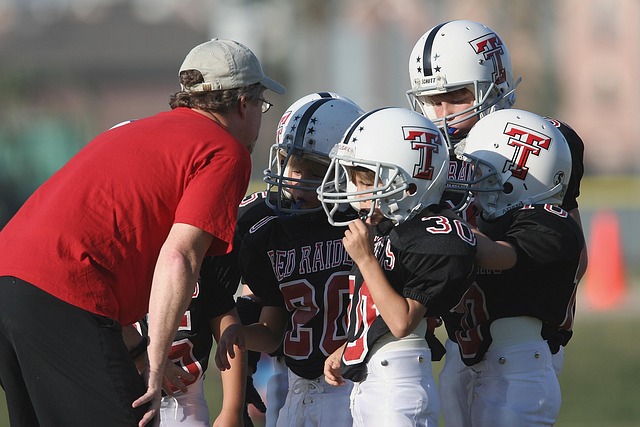
Coaches and parents should actively teach the principles of sportsmanship. This involves direct instruction, setting clear expectations, and discussing scenarios where sportsmanship is tested.
For example, before a game, a coach might say, “Remember, we shake hands with every player on the other team afterwards, win or lose.” Discussing hypothetical situations—like what to do if an opponent is injured—helps athletes internalize these values. The Education Endowment Foundation (EEF) in the UK, as of their 2025 review, highlights that explicit teaching of social-emotional skills, including sportsmanship, yields significant benefits.
Emphasize Effort and Improvement Over Winning
Shifting the focus from solely winning to valuing effort, improvement, and personal bests can reduce the pressure and encourage a healthier competitive mindset.
When the primary goal is self-improvement, the outcome of a single game becomes less critical. Athletes are encouraged to learn from every experience, win or lose, and focus on their development as players and individuals. This perspective fosters resilience and a long-term love for the sport.
Address Poor Sportsmanship Directly
When unsportsmanlike behavior occurs, it should be addressed promptly and constructively. This provides a teachable moment for the athlete involved and for others who witness it.
Instead of simply punishing, the focus should be on understanding why the behavior occurred and reinforcing the expected standards. This could involve a private conversation, team discussion, or a temporary removal from play, depending on the severity. The goal is correction and learning, not just retribution.
Common Pitfalls in Sportsmanship
Despite the clear benefits, several common mistakes can undermine the development and practice of sportsmanship.
The Win-at-All-Costs Mentality
Perhaps the biggest pitfall is an excessive focus on winning above all else. This pressure, often coming from parents or coaches, can lead athletes to prioritize victory over ethical conduct.
When winning becomes the only metric of success, athletes may feel justified in cutting corners, disrespecting opponents, or exhibiting poor behavior. This mentality can lead to burnout and a negative association with sports.
Inconsistent Reinforcement of Values
Sportsmanship is best learned when its principles are consistently reinforced. Inconsistent messages—praising aggressive behavior one day and condemning it the next—confuse athletes.
This lack of clarity can lead to athletes not understanding the true expectations or believing that sportsmanship is only important when it’s convenient. For example, a coach who celebrates overly aggressive play might later be surprised when that player engages in unsportsmanlike conduct.
Blaming Officials or Opponents for Losses
It’s common for athletes to feel frustrated by perceived unfair calls or by an opponent’s tactics. However, consistently blaming external factors for losses is a form of poor sportsmanship.
This behavior prevents athletes from taking responsibility for their own performance and learning from mistakes. It fosters a victim mentality and can damage relationships with officials and fellow competitors. From a different angle, it also misses opportunities for self-reflection and improvement.
Sportsmanship Across Different Sports and Levels
The core principles of sportsmanship remain consistent, but their expression can vary across different sports and levels of play as of 2026.
Youth Sports
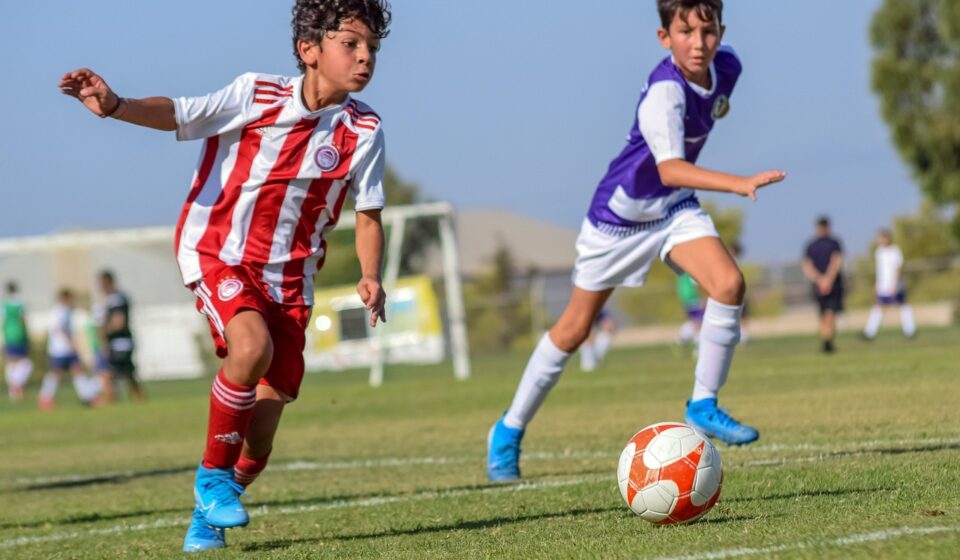
In youth sports, the emphasis is heavily on development and learning life lessons. Sportsmanship is taught as a fundamental part of the game, focusing on participation, effort, and fair play. The goal is to build character and foster a lifelong positive relationship with physical activity.
For example, a Little League baseball coach might spend more time teaching players how to congratulate an opponent after a tough loss than on intricate game strategy. The positive reinforcement of good behavior is paramount.
Professional Sports
Professional sports often involve immense pressure and high stakes. While professionalism demands adherence to rules and basic respect, the intensity can sometimes lead to displays of poor sportsmanship.
However, many professional athletes also serve as powerful role models. Moments like LeBron James congratulating a tough opponent after a playoff series or Simone Biles demonstrating resilience in the face of adversity showcase sportsmanship under extreme pressure.
Amateur and Recreational Sports
In amateur and recreational leagues, sportsmanship is about maintaining a healthy balance between competition and enjoyment. The focus is on participation, community, and the sheer pleasure of playing the sport.
Here, sportsmanship often manifests in friendly banter, mutual respect between participants who may know each other off the field, and a shared commitment to keeping the game fun and engaging for everyone involved.
Frequently Asked Questions
What is the primary goal of sportsmanship?
The primary goal of sportsmanship is to ensure that sports are conducted with fairness, integrity, and respect for all participants, fostering personal development and a positive competitive spirit, rather than solely focusing on winning.
How does sportsmanship contribute to mental health?
Sportsmanship promotes resilience, self-esteem, and positive social connections. By teaching athletes to handle wins and losses with grace, it helps reduce anxiety and builds confidence, contributing to overall mental well-being.
Can sportsmanship be learned online?
While online resources can provide information and discussion, true sportsmanship is best learned through hands-on experience, observation, and direct interaction in a sporting environment with role models.
What are the consequences of poor sportsmanship?
Poor sportsmanship can lead to penalties, suspensions, damage to reputation, strained relationships with teammates and opponents, and a negative overall experience for everyone involved.
Is sportsmanship important in non-competitive activities?
While the term is most associated with competitive sports, the underlying principles of respect, fairness, and integrity are valuable in all social interactions and non-competitive group activities.
How can parents encourage sportsmanship in their children?
Parents can encourage sportsmanship by modeling good behavior, focusing praise on effort and improvement rather than just wins, and discussing the importance of respecting rules and opponents.
Conclusion: The Enduring Value of Sportsmanship
To wrap up, what is sportsmanship? it’s the vital ethical framework that underpins all forms of sport, transforming simple contests into powerful arenas for personal growth and community building. As of May 2026, its relevance has not diminished; in fact, in a world increasingly focused on outcomes, the values of integrity, respect, and fair play are more critical than ever.
The actionable takeaway is simple: make sportsmanship a conscious practice. Whether on the field, in the stands, or even in everyday life, strive to embody these principles. True success in sports—and in life—is measured not just by what you achieve, but by how you achieve it.
Last reviewed: May 2026. Information current as of publication; pricing and product details may change.
Related read: Best Sports Documentaries of 2026: Must-Watch Films