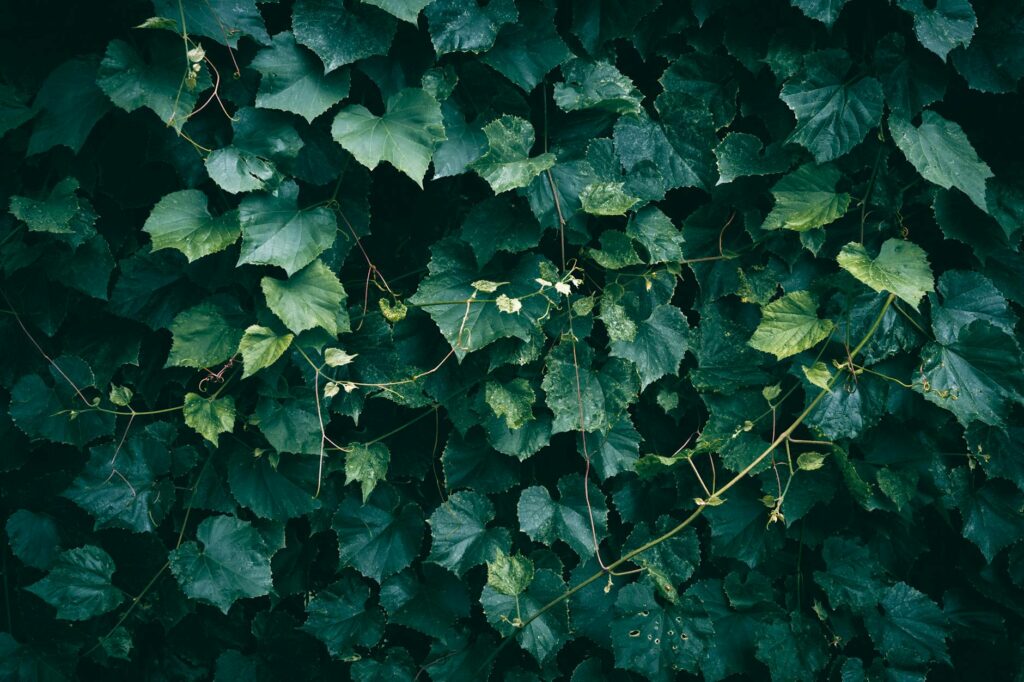
Grape Ivy: A Misunderstood Climber in the Home Jungle
When most people think of ivy, their minds conjure images of the ubiquitous English ivy (Hedera helix) or perhaps the creeping vines that adorn old stone walls. However, a lesser-known yet equally captivating plant often shares this common name: grape ivy, scientifically known as Cissus rhombifolia. Despite its misleading moniker, grape ivy isn’t a true ivy at all, belonging instead to the Vitaceae family — which also includes grapevines. This distinction is Key, as it impacts its care, appearance, and even its potential interactions with pets. For many indoor gardening enthusiasts, grape ivy represents a delightful combination of resilience and elegant aesthetics, a trailing plant that can transform a living space. However, its popularity has also led to a tangle of misinformation, especially concerning its toxicity and its place in both domestic and wild environments.
Last updated: April 20, 2026
Grape ivy (Cissus rhombifolia) is a popular houseplant prized for its attractive, glossy, three-lobed leaves and vigorous vining habit, often used in hanging baskets or to trail from shelves. Unlike true ivies, it’s generally considered non-toxic to cats and dogs, making it a safer choice for pet owners. Its care is relatively straightforward, preferring bright, indirect light and moderate watering.
Grape Ivy vs. True Ivy: the Botanical Distinction
The confusion surrounding grape ivy largely stems from its common name. The true ivy family, Araceae, is distinct from the Vitaceae family to which Cissus rhombifolia belongs. This botanical separation is more than just a taxonomic curiosity. it has practical implications for plant enthusiasts. True ivies, like Hedera helix, are known for their lobed leaves and aerial rootlets that allow them to cling to surfaces. Grape ivy, But — typically features trifoliate leaves—meaning each leaf is composed of three leaflets—that are more ovate and often possess a slightly fuzzy underside. Its tendrils, while present, are less aggressive in their climbing behavior. According to The Spruce, a complete resource on home and gardening, grape ivy is one of many vining plants suitable for indoor cultivation, highlighting its specific characteristics that set it apart from other common houseplants The Spruce (2024).
Understanding this botanical difference is key to providing the correct care. While both can thrive indoors, their specific needs regarding light, water, and soil composition can vary. For instance, some true ivies can tolerate lower light conditions than grape ivy — which generally prefers brighter, indirect light to maintain its lush foliage. This distinction is often overlooked, leading to suboptimal growing conditions for the plant.
Cultivating Grape Ivy: A Guide to Thriving Indoors
The allure of grape ivy lies not only in its beauty but also in its relative ease of care, making it an excellent choice for both novice and experienced plant keepers. Successfully growing Cissus rhombifolia involves understanding its preferences for light, water, soil, and temperature. It’s a plant that rewards attention with vigorous growth and a cascade of elegant foliage.
Light Requirements
Grape ivy thrives in bright, indirect light. Direct sunlight, especially during the hottest parts of the day, can scorch its delicate leaves, leading to brown spots and wilting. An east-facing window is often ideal, providing gentle morning sun, or a spot a few feet away from a south or west-facing window where the light is filtered. While it can tolerate lower light conditions, its growth may become leggy, and the leaves might lose some of their natural sheen. Insufficient light is a common reason for a lack of vigor in this otherwise strong plant.
Watering and Humidity
Consistent moisture is key for grape ivy, but overwatering must be avoided. Allow the top inch or two of soil to dry out between waterings. During the growing season (spring and summer), this might mean watering every 7-10 days, while in the dormant winter months, watering frequency can be reduced. Soggy soil can lead to root rot, a serious threat to the plant’s health. Grape ivy also appreciates higher humidity levels — which can be achieved by misting the leaves occasionally, placing the pot on a pebble tray filled with water, or grouping it with other plants. Dry air, especially in heated homes during winter, can cause leaf tips to brown and crisp.
Soil and Fertilization
A well-draining potting mix is essential. A standard houseplant mix amended with perlite or sand will provide the necessary aeration for the roots. For fertilization, a balanced liquid houseplant fertilizer diluted to half strength can be applied every 2-4 weeks during the spring and summer growing season. No fertilization is typically needed during the fall and winter months when the plant’s growth slows down. Over-fertilization can lead to salt buildup in the soil, damaging the roots and foliage.
Temperature and Pruning
Grape ivy prefers average room temperatures, ideally between 65-75°F (18-24°C). It can tolerate slightly cooler temperatures, but prolonged exposure to cold drafts or temperatures below 50°F (10°C) can be detrimental. Pruning is beneficial for maintaining the plant’s shape and encouraging bushier growth. Trim back leggy stems to promote new shoots. You can be done anytime, but it’s most effective in the spring before the active growing season begins. Cuttings from pruning can often be used for propagation.
Is Grape Ivy Toxic to Pets? Addressing Common Concerns
One of the most frequently asked questions regarding houseplants is their safety around pets. For grape ivy, the news is largely positive, especially when compared to its namesake, true ivy. According to veterinary reviews and horticultural experts, Cissus rhombifolia is generally considered non-toxic to both cats and dogs. This makes it a popular choice for households with furry companions, offering peace of mind to pet owners who want to bring the beauty of nature indoors without undue risk.
The ASPCA (American Society for the Prevention of Cruelty to Animals) maintains extensive databases of plant toxicity, and while specific listings can vary, Cissus species are typically not flagged as hazardous. In contrast, true ivies (Hedera helix) contain saponins — which can cause vomiting, diarrhea, and abdominal pain if ingested by pets. Therefore, if you have cats or dogs that are prone to nibbling on houseplants, grape ivy presents a safer alternative. However, it’s always prudent to monitor pets around any new plant, as some animals may have individual sensitivities or might ingest excessive amounts of any plant material, leading to mild gastrointestinal upset regardless of toxicity.
The Catster article, “Is Ivy Toxic to Cats? Vet-Reviewed Houseplants Examined,” In particular addresses the confusion and reassures readers about the relative safety of plants like grape ivy compared to true ivies Catster (2025). This distinction is vital for pet owners making informed decisions about their home environment. While grape ivy is considered safe, it’s still advisable to discourage pets from excessive chewing on any plant matter.
Propagation and Propagation Techniques for Grape Ivy
One of the joys of growing grape ivy is its adaptability and ease of propagation. Whether you want to expand your own collection or share cuttings with friends, this plant readily produces new growth from stem cuttings. This process is straightforward and highly rewarding, allowing you to multiply your green thumb success.
Stem Cuttings
The most common and effective method for propagating grape ivy is through stem cuttings. Take cuttings that are about 4-6 inches long from a healthy, mature plant. Ensure each cutting has at least two or three nodes (the points on the stem where leaves emerge). Remove the lower leaves, leaving only the top set. These cuttings can then be rooted in two ways:
- Water Propagation: Place the cuttings in a jar or vase filled with water, ensuring the nodes are submerged. Keep the water clean by changing it every few days. Roots should begin to appear within a few weeks. Once the roots are about an inch long, the cuttings can be transplanted into potting soil.
- Soil Propagation: Alternatively, dip the cut end of the stem in rooting hormone (optional, but can speed up the process) and then plant it directly into a pot filled with a moist, well-draining potting mix. Cover the pot with a plastic bag or place it in a propagator to maintain high humidity around the cutting. Keep the soil consistently moist but not waterlogged. New leaf growth is a sign that the cutting has rooted.
Both methods require patience, but the success rate for grape ivy cuttings is generally quite high. The ideal time for propagation is during the spring or early summer when the plant is actively growing.
Division
While less common for grape ivy than stem cuttings, mature plants that have become overgrown can sometimes be propagated by division. This involves carefully removing the plant from its pot, gently separating the root ball into smaller sections, and repotting each section. This method is best performed during the spring.
Grape Ivy in Outdoor Settings and Natural Habitats
While primarily known as a houseplant, the grape family of plants, including some Cissus species, can be found in various outdoor environments, especially in warmer climates. These plants often adapt to trailing or climbing roles in gardens, adding a lush, green dimension to trellises, walls, or even natural landscapes. However, their suitability for outdoor cultivation depends heavily on local climate conditions.
In regions with mild winters, such as parts of the southern United States or Mediterranean climates, grape ivy might be grown outdoors. The Fairfax County Times reported in February 2022 that park authorities asked the public to leave grape vines in the woods, suggesting that wild or naturalized grape-like vines can sometimes be an issue in certain ecosystems Fairfax County Times (2022). While this news In particular pertains to wild vines, it highlights how vines, even those with common names like ‘grape’, can integrate into natural environments. It’s important to distinguish between cultivated ornamental vines like Cissus rhombifolia and native or invasive wild species. The former is generally well-behaved in a garden setting, whereas the latter may require management to prevent ecological disruption.
The Door County Pulse notes the presence of grape family vines in natural settings, emphasizing their role in local flora Door County Pulse (2025). This broad context of the ‘grape family’ highlights the diversity within these plant groups. When considering grape ivy for outdoor use, it’s Key to research its behavior in your specific region and to ensure it doesn’t outcompete native species.
Common Pests and Diseases Affecting Grape Ivy
While grape ivy is generally a hardy plant, it isn’t entirely immune to pests and diseases. Recognizing these issues early can prevent significant damage and help maintain the plant’s health and aesthetic appeal. Most problems are easily managed with proper care and prompt treatment.
Pests
Common houseplant pests can sometimes find grape ivy a suitable host. These include:
- Spider Mites: Tiny pests that thrive in dry conditions. Look for fine webbing on leaves and undersides, and stippling (tiny dots) on the leaf surface. Increasing humidity and wiping leaves can help deter them. For severe infestations, insecticidal soap or neem oil can be effective.
- Mealybugs: Small, cottony insects that cluster in leaf axils and on stems. They suck sap from the plant, weakening it. They can be removed with a cotton swab dipped in rubbing alcohol or treated with insecticidal soap.
- Aphids: Small, pear-shaped insects, often green, black, or brown — that feed on new growth. They can usually be washed off with a strong spray of water or treated with insecticidal soap.
Diseases
Diseases affecting grape ivy are most often related to improper watering or environmental conditions:
- Root Rot: Caused by overwatering and poor drainage. Symptoms include yellowing leaves, wilting, and mushy stems. The best prevention is to ensure the soil drains well and to water only when the top layer of soil is dry. If root rot is suspected, repotting the plant in fresh, well-draining soil after trimming away affected roots may save it.
- Leaf Spotting/Browning: Can be caused by direct sunlight, low humidity, or inconsistent watering. Brown, crispy leaf edges often indicate dry air or underwatering, while brown spots can point to sunburn. Adjusting the plant’s location and watering routine usually resolves these issues.
Maintaining optimal growing conditions is the best defense against both pests and diseases. A healthy plant is less susceptible to problems.
Grape Ivy in Interior Design: Enhancing Living Spaces
Beyond its botanical characteristics and care requirements, grape ivy offers significant aesthetic potential for interior design. Its vining nature makes it incredibly versatile, capable of softening harsh lines, adding vertical interest, or creating a lush, natural focal point in any room.
Hanging Baskets and Troughs
One of the most popular ways to display grape ivy is in hanging baskets or wall-mounted troughs. As the plant matures, its stems will cascade downwards, creating a beautiful waterfall of glossy green foliage. Here’s especially effective in spaces where floor or surface area is limited, such as apartments or smaller rooms. It adds a vibrant touch to kitchens, living rooms, and even bathrooms where humidity levels are often higher.
Trellises and Supports
For those seeking a more structured look, grape ivy can be trained to climb trellises, decorative ladders, or even up walls using gentle plant clips. This vertical gardening approach can transform a blank wall into a living tapestry, adding depth and a sense of tranquility to a space. It’s a way to bring the outdoors in, creating a biophilic design element that’s known to reduce stress and improve well-being.
As a Ground Cover or Trailing Plant
In larger pots or planters, grape ivy can be allowed to trail over the edges, softening the look of the container and adding a lush feel. It can also be used as a living ground cover in very large arrangements, spilling out from beneath taller plants. Its ability to adapt to various display methods makes it a favorite among interior landscapers and home decorators alike. The versatility of Cissus rhombifolia means it can suit a minimalist aesthetic with a single cascade or a more bohemian style with abundant, trailing greenery.
Frequently Asked Questions
Is grape ivy the same as true ivy?
No, grape ivy (Cissus rhombifolia) isn’t a true ivy. It belongs to the Vitaceae family, the same family as grapevines, while true ivies belong to the Araceae family. Their botanical classifications are distinct, leading to differences in appearance, growth habits, and toxicity.
Is grape ivy toxic to cats and dogs?
Generally, no. Grape ivy is considered non-toxic to cats and dogs, making it a safer choice than true ivies for pet owners. However, it’s always wise to monitor pets around any houseplant to prevent excessive consumption or potential individual sensitivities.
How often should I water my grape ivy?
Water your grape ivy when the top one to two inches of soil feel dry to the touch. This typically means watering every 7-10 days during the growing season (spring/summer) and less frequently in winter. Avoid letting the soil become waterlogged, as this can lead to root rot.
What kind of light does grape ivy need?
Grape ivy prefers bright, indirect light. It should be protected from direct sunlight — which can scorch its leaves. An east-facing window or a spot a few feet from a south or west-facing window is usually ideal. It can tolerate lower light, but its growth may become less vigorous.
How can I propagate grape ivy?
Grape ivy is easily propagated from stem cuttings. Take 4-6 inch cuttings, remove the lower leaves, and place them in water or moist potting mix. Keep humidity high, and new roots should develop within a few weeks, after which they can be transplanted.
Conclusion: Embracing the Versatility of Grape Ivy
Grape ivy, or Cissus rhombifolia, stands as a testament to the beauty and resilience that houseplants can offer. Its elegant, glossy foliage and graceful vining habit make it a highly desirable addition to any indoor environment, capable of transforming spaces with its lush greenery. Far from being just another decorative plant, it offers a welcome degree of hardiness and, Keyly for many households, a lower toxicity risk to pets compared to its common namesake. The advice from horticultural sources like The Spruce consistently highlights its suitability for indoor cultivation, emphasizing its manageable care requirements. For those looking to enhance their living spaces with a touch of nature, grape ivy provides a compelling option that balances aesthetic appeal with practical considerations. Whether you’re a seasoned plant parent or just beginning your indoor gardening journey, embracing the grape ivy could very well be a step towards a more vibrant and serene home environment.