Cheap Travel Ideas? Ditch the Tourist Traps.
Look, we’ve all seen the glossy Instagram feeds: infinity pools in Bali, Michelin-star meals in Paris, private yachts in the Greek Isles. And while that’s great for some, most of us aren’t living that life. The good news? You don’t need a trust fund to explore the world. The bad news? Most advice on “cheap travel ideas” is utter garbage, designed to get you to click through endless affiliate links for overpriced hostels and budget airlines that charge you for breathing. Let’s cut the BS. Real cheap travel isn’t about squeezing into a sardine can and eating ramen for a week (unless that’s your jam, no judgment). It’s about smart, intentional choices that let you experience a place authentically without draining your bank account. It’s about ditching the tourist traps and finding the real heart of a destination. And honestly, that’s way more rewarding.
Last updated: April 2026.
Here’s the deal: the internet is flooded with articles promising the moon on a stick when it comes to cheap travel ideas. They’ll tell you to book flights six months in advance, travel during the shoulder season, and stay in hostels. Sure, some of that’s true, but it’s surface-level advice. I’ve been hopping around on a shoestring for over a decade, and let me tell you, the real secrets lie in understanding why things are expensive and how to circumvent that. It’s about seeing the world like a local, not just a visitor passing through.
Why the Usual Cheap Travel Advice Falls Flat
Most “budget travel” content is written by people who, frankly, haven’t really traveled on a shoestring in years, or they’re pushing products. They’ll tell you to book flights in the middle of the night on a Tuesday, which, okay, sometimes works. But they rarely talk about the real costs: the inflated prices of food near major attractions, the expensive airport transfers, the mandatory “resort fees” at even the cheapest-looking hotels. It’s a constant drip, drip, drip of small expenses that add up faster than you can say “forex fees.” The most common mistake? Thinking that just because a flight is cheap, the whole trip will be. Nope. Not even close. You end up paying more for everything else.
Let’s be real: the cheapest flight is useless if you’re stuck eating $30 sandwiches every day because you’re too exhausted or too far from anywhere affordable to grab a bite. The trick isn’t just finding the cheapest way to get there; it’s finding the cheapest way to exist when you’re there.
Embrace Off-Season (But Not How You Think)
Everyone says “travel in the shoulder season.” Yawn. We know. But what they don’t always tell you is how to leverage the true off-season, or how to find hidden gems during what might seem like peak times elsewhere. Think about it: Paris in August? Insane. But Paris in late January? Cold, yes, but fewer crowds and way cheaper hotels. This applies everywhere. Look for destinations that have a major off-season. Southeast Asia during the monsoon? Still amazing in many parts, just with a few more umbrellas and fewer sweaty tourists jockeying for photos at Angkor Wat.
But here’s a contrarian take: sometimes, hitting a slightly popular spot just outside its absolute peak can be cheaper and still manageable. For example, visiting Rome in mid-October might be slightly more expensive than November, but the weather is still pleasant, and you avoid the chill that keeps some hardcore budget travelers away. It’s about finding that sweet spot, not just the absolute cheapest month that might also be miserable.
The Real Cost of “Cheap” Flights
Ryanair. Spirit. Frontier. We all know the names. They offer eye-poppingly cheap base fares. But beware! Those $20 flights often come with a $50 bag fee, a $30 seat selection charge, and a $15 fee for water. I remember booking a “cheap” flight to Dublin once. The base fare was $50. By the time I added a carry-on, a checked bag, and paid for a seat (because, let’s be honest, I’m not sitting in a middle seat next to a crying baby for 8 hours), the ticket was closer to $200. And that’s before airport snacks!
My advice? If you’re traveling light – like, just a backpack – those budget carriers can be gold. But if you need to bring more, the math often doesn’t add up. Sometimes, a slightly more expensive ticket on a legacy carrier like Delta or Lufthansa, which includes a checked bag and better service, is actually the cheaper option overall. Always do the full calculation.
Where to Actually Find Cheap Eats
This is where most people screw up. They land in a new city and immediately head to the nearest cafe with a view of a landmark. Big mistake. Those places are designed to fleece tourists. The real cheap eats are almost always found:
- Away from tourist hotspots: Walk at least 10-15 blocks away from major attractions. Seriously.
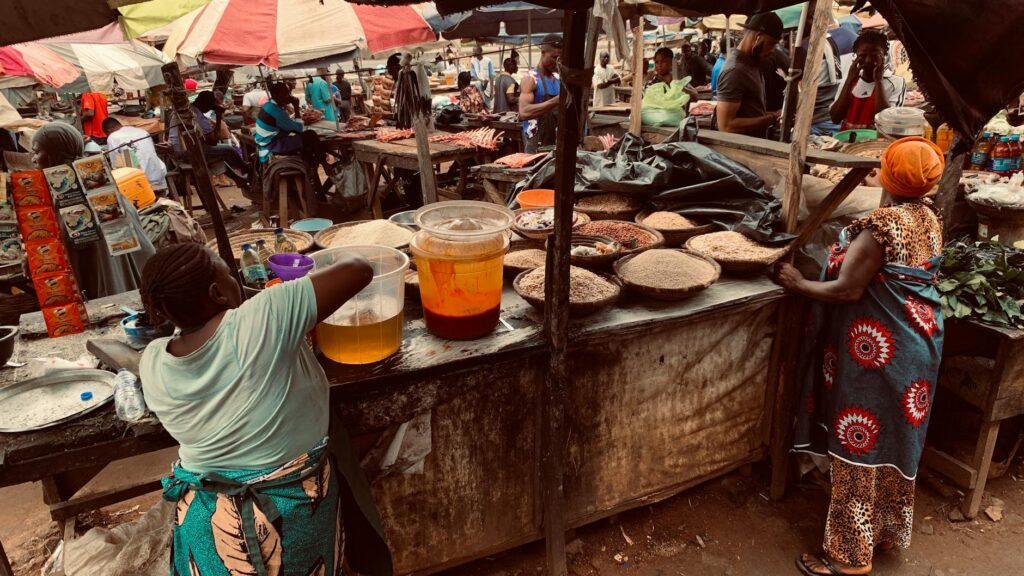
- Local markets: These are goldmines for affordable, delicious food. You get to see locals shopping and eating.
- Street food stalls: Don’t be scared! Look for stalls with long lines of locals. That’s your sign of quality and safety.
- Supermarkets/Grocery Stores: Buy bread, cheese, fruit, and local snacks for picnics. It’s a fraction of the cost of a restaurant meal.
- Lunch specials: Many restaurants offer significantly cheaper set menus at lunchtime than at dinner.
I remember being in Rome, and instead of paying €20 for a mediocre pizza near the Colosseum, I walked a few streets over and found a tiny trattoria packed with Italians. I had a phenomenal pasta dish, a glass of house wine, and coffee for under €15. That’s the kind of experience you’re looking for.
- Significantly cheaper meals.
- Authentic culinary experiences.
- Supports local businesses.
- Discover hidden culinary gems.
- Overpriced, often mediocre food.
- Generic, uninspired menus.
- Crowded and stressful.
- Misses the real local flavor.
🎬 Related Video
📹 cheap travel ideas — Watch on YouTube
Accommodation: Beyond the Dreaded Hostel Dorm
Okay, hostels can be cheap. And some are amazing! But if the thought of sharing a room with 10 strangers makes you want to cry, there are other options. Guesthouses, family-run B&Bs, and even Airbnb rooms (renting a private room in someone’s apartment, not a whole place) can be surprisingly affordable, especially if you book in advance or look outside the absolute city center. I’ve stayed in fantastic little pensions in places like Kyoto for less than a grim hostel dorm.
Thing is, location matters. Staying right next to the Eiffel Tower might seem glamorous, but it’ll cost you. Staying a few metro stops away, in a safe, local neighborhood, can slash your accommodation costs and give you a more authentic feel for the city. Plus, you’ll discover local bakeries and cafes you’d never find otherwise.
Navigating Local Transportation Like a Pro
Taxis and ride-sharing apps are convenient, but they’re budget killers. Most cities have excellent public transport systems: metros, buses, trams. Learn how they work! Buy a multi-day pass if you plan on using them frequently – it’s almost always cheaper than buying single tickets. Walking is free and often the best way to stumble upon unexpected sights.
Don’t underestimate local buses, either. They might be slower and less direct than the subway, but they go everywhere and are incredibly cheap. In Bangkok, for instance, the local buses are incredibly affordable and offer a real slice-of-life experience. Just have some small change handy!
Expert Tip: Always research the airport transfer options before you book your flight. Some airports are notoriously expensive to get from into the city. A $50 flight can turn into a $100 trip thanks to a $50 taxi ride.
Free Activities: Your Best Friend for Cheap Travel
This is the easiest win. Almost every city offers a ton of free things to do:
- Free Walking Tours: Most major cities have them. You tip the guide at the end based on your experience (usually $5-$10 is standard, which is still cheap for a 2-3 hour tour). It’s a fantastic way to get oriented and learn some history.
- Parks and Gardens: Sit, relax, people-watch. It’s free therapy.
- Museum Free Days/Hours: Many museums offer free admission on specific days or evenings. Research this beforehand! The Louvre in Paris, for example, has free admission on the first Saturday evening of each month.
- Window Shopping & People Watching: Wander through interesting neighborhoods, markets, or iconic streets.
- Hiking/Nature Trails: If you’re near natural beauty, explore it!
Don’t fall into the trap of thinking you have to pay for every single attraction. Many of the most memorable travel experiences are simple and free.
“The most beautiful thing we can experience is the mysterious. It is the source of all true art and science.” – Albert Einstein. Sometimes, the greatest travel joy comes from simply wandering and observing, not from ticking boxes on a tourist checklist.
Honestly, some of my favorite travel memories involve getting lost in a charming neighborhood, stumbling upon a local festival, or just sitting on a park bench watching the world go by. These moments are priceless, and they don’t cost a dime.
Smart Money Management While Traveling
This is non-negotiable for cheap travel. Get a travel credit card with no foreign transaction fees. Use fee-free debit cards for ATM withdrawals. Always decline the Dynamic Currency Conversion (DCC) at ATMs and card terminals – you’ll get a much better exchange rate from your own bank. Apps like Wise (formerly TransferWise) can also be super useful for international money transfers and spending.
Set a daily budget and stick to it. Use budgeting apps like Trail Wallet or PocketGuard to track your spending. It sounds tedious, but seeing where your money is going is the first step to controlling it. You’d be surprised how quickly small purchases add up.
So, What Are the Real Cheap Travel Ideas?
It boils down to this: ditch the tourist facade. Embrace local life. Be intentional with your spending. Prioritize experiences over expensive souvenirs. Instead of chasing the cheapest flight to a crowded, overpriced city, consider a slightly less “famous” but equally beautiful destination. Think smaller towns, less-hyped regions, or destinations during their true shoulder or off-seasons. For example, instead of the Amalfi Coast in peak summer (insanely expensive and crowded), consider exploring the Cilento Coast in southern Italy, which offers stunning beauty at a fraction of the price.
The goal of cheap travel ideas isn’t just to save money, it’s to have a richer, more authentic experience. When you’re not constantly worried about overspending or getting ripped off, you can actually relax and enjoy the journey. And that, my friends, is the true luxury.
My take: The best cheap travel idea I ever stumbled upon was realizing that sometimes, the most fulfilling trips involve less travel and more immersion. Spending a week in one affordable, interesting town and truly getting to know it, rather than hopping between five expensive cities in seven days, is often more rewarding and definitely cheaper.
Final thought: Don’t let the fear of cost stop you from seeing the world. With a bit of savvy planning and a willingness to step off the beaten path, incredible adventures are well within your reach.
Frequently Asked Questions
What’s the single best way to save money while traveling?
The single best way to save money is to eat like a local. Prioritize meals from markets, street vendors, and local eateries away from tourist centers. This dramatically cuts down on daily expenses compared to dining in tourist-trap restaurants, offering both savings and authentic culinary experiences.
Are hostels really the cheapest accommodation option?
Hostels can be very cheap, especially dorm rooms. However, private rooms in hostels, budget guesthouses, or renting a room in a local’s apartment via platforms like Airbnb can sometimes offer comparable or even better value, especially for couples or those seeking more privacy and quiet.
How can I avoid expensive airport transfers?
Research public transportation options from the airport to your accommodation before you travel. Many cities offer affordable bus or train services that are significantly cheaper than taxis or ride-sharing apps. Sometimes, a slightly longer journey on public transport saves a substantial amount of money.
What are some good free activities for budget travelers?
Free walking tours are excellent for orientation and history. Enjoying local parks, exploring vibrant neighborhoods, visiting public beaches or nature trails, and taking advantage of museum free entry days or hours are all fantastic ways to experience a destination without spending money.
Should I use a travel card or my regular bank card abroad?
Always use a travel-friendly card. Look for credit or debit cards with no foreign transaction fees. Decline dynamic currency conversion when offered at ATMs or payment terminals, as it usually results in a worse exchange rate. Using specialized travel cards maximizes your purchasing power.