336 Area Code: Your Realistic Move Guide
So, you’re thinking about pulling the trigger on moving to the 336 area code. Good. Let’s cut through the noise. In 2023 alone, over 75,000 people relocated to North Carolina, and a solid chunk of those folks landed in or around the 336 region. That’s not some vague number. that’s real people packing boxes and changing addresses. I’ve seen folks jump into moves based on a pretty picture or a vague ‘vibe,’ only to find out reality hits harder than a North Carolina summer humidity. This isn’t about convincing you. it’s about giving you the hard data and the nitty-gritty details so you can make an informed decision. We’re talking numbers, costs, and the stuff nobody tells you on those glossy relocation sites.
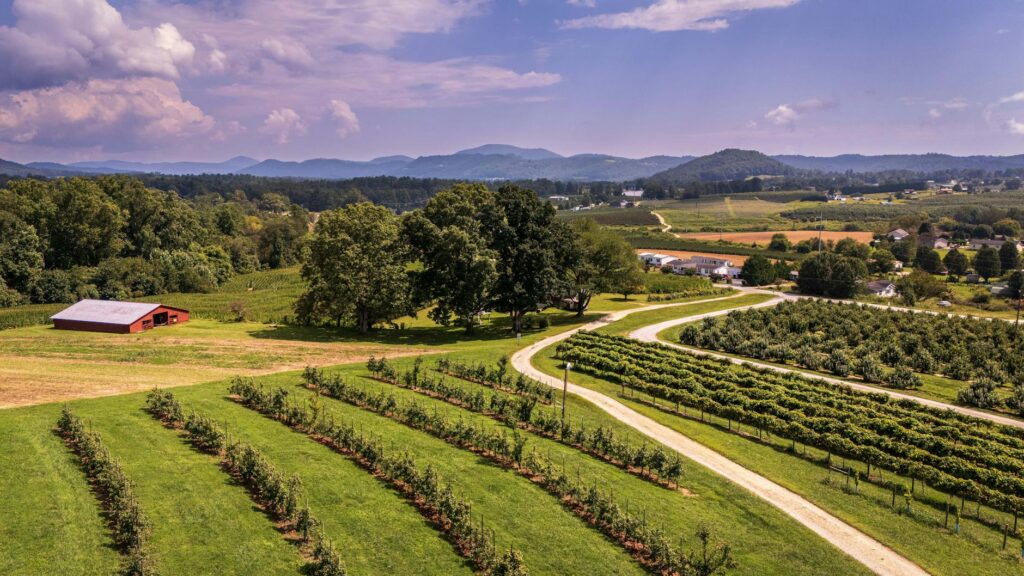
The 336 area code covers a massive chunk of North Carolina, roughly 19 counties smack-dab in the north-central and western parts of the state. Think Greensboro, Winston-Salem, and High Point – the heart of the Piedmont Triad. It also spills into more rural areas like Mount Airy (yes, Andy Griffith’s hometown) and parts of the Blue Ridge Mountains. This isn’t some tiny little niche. it’s a sprawling region with diverse landscapes and economies.
Table of Contents
Why 336? The Numbers Don’t Lie
Look, people move to 336 for a few key reasons, and they’re backed by data. For starters, the cost of living is a big draw. Compared to major East Coast hubs, North Carolina, and In particular the 336 area, offers a lower cost of entry. The average home price in the Greensboro-High Point metro area, for instance, hovered around $265,000 in early 2024. That’s a far cry from the $600,000+ you’d see in places like Raleigh or Charlotte, let alone Boston or NYC. It’s not just housing. everyday expenses also tend to be lower. Statistics from the Council for Community and Economic Research consistently show the Piedmont Triad region scoring below the national average for overall cost of living.
And it’s not just about being cheap. There’s a growing economic engine here. Major employers like Volvo Trucks North America (headquartered in Greensboro), Hanesbrands (Winston-Salem), and BB&T (now Truist, based in Winston-Salem) provide stable jobs. The region has also seen significant investment in advanced manufacturing, logistics, and technology. In 2023, North Carolina secured over $4.6 billion in new manufacturing investments alone, creating an estimated 12,000 jobs. Many of these opportunities fall within the 336 footprint. This isn’t a ghost town. it’s a region with a pulse and tangible growth.
Cost of Living: Can You REALLY Afford It?
Let’s get granular. While the overall cost of living is favorable, ‘affordable’ means different things to different people. Here’s a breakdown based on 2023-2024 data:
- Housing: As mentioned, the median home price around $265,000 is a huge plus. Renting is also generally more affordable than in major metros, with average 1-bedroom apartments often falling between $900-$1,200 depending on the city and amenities.
- Groceries: Food costs are typically 5-10% below the national average.
- Transportation: Gas prices are usually in line with state averages, and public transport options exist in larger cities like Greensboro and Winston-Salem, though less complete than in huge metropolises. Car ownership is still king here.
- Healthcare: While not exorbitant, healthcare costs can sometimes be slightly higher than the national average, especially for specialized care outside major medical centers.
- Taxes: North Carolina has a flat state income tax rate (currently 4.75%) — which is competitive. However, property taxes vary by county and city, so always check local rates.
- Salaries: Wages in 336 may not always keep pace with major metropolitan areas, meaning your dollar might stretch further, but your earning potential could be capped depending on your industry.
Thing is, you need to compare your current expenses to projected expenses. If you’re coming from a super high-cost-of-living area, you’ll likely see significant savings. If you’re coming from a similarly priced but smaller town, the difference might be less dramatic, but the job market could still be a major upgrade.
🎬 Related Video
📹 moving to 336 area code — Watch on YouTube
Job Market Snapshot: Where’s the Work?
Here’s where things get specific. You can’t just assume jobs are everywhere. The 336 area code is anchored by several key industries:
- Manufacturing &. Logistics: This is huge. Think automotive parts suppliers, furniture (High Point is still the ‘Furniture Capital of the World’ in spirit), textiles, and general warehousing. Companies like Mack Trucks, Yamaha, and various logistics firms have a strong presence.
- Healthcare: Major hospital systems like Novant Health and Cone Health employ thousands across the region.
- Education: Several universities and community colleges, including UNC Greensboro, Wake Forest University, and NC A&T State University, are significant employers and economic drivers.
- Technology &. Finance: While not Silicon Valley, there’s a growing tech scene, especially in areas related to advanced manufacturing and software development. Financial services are also strong, historically anchored by BB&T/Truist.
Real Talk: The job market isn’t booming uniformly across all 19 counties. Your best bet for diverse opportunities is concentrated in cities like Greensboro (pop. ~300,000), Winston-Salem (pop. ~250,000), and High Point (pop. ~115,000). Rural areas will have more niche opportunities, often tied to agriculture or smaller local businesses. Always check specific job boards for the county you’re targeting. LinkedIn and Indeed are your friends here, showing average salaries around $55,000-$65,000 for many professional roles in the metro areas.
Finding a Place: Rent vs. Buy in 336
Here’s a big decision, and the numbers really matter. As of mid-2024, the housing market in the 336 area code generally favors buyers, especially compared to national trends. The median home sale price, around $265,000, means that a 20% down payment ($53,000) on a conventional loan would put your monthly mortgage payment (principal, interest, taxes, and insurance) somewhere in the ballpark of $1,200-$1,500, depending heavily on interest rates and local property taxes. That’s incredibly attractive for many.
Rentals are plentiful but can vary wildly. A spacious 3-bedroom house might rent for $1,500-$2,000 in a desirable neighborhood, while a 2-bedroom apartment could be found for $1,000-$1,300. The rental vacancy rate in the Triad has hovered around 7-9% in recent years — which is a healthy market – not too tight, not too loose. So, you have options.
My Take: If you plan to stay for 5+ years, buying makes a lot of financial sense given current price points and historical appreciation trends in the region. If you’re testing the waters or need flexibility, renting offers lower upfront costs and more freedom. Don’t just look at the sticker price. factor in closing costs for buying (typically 2-5% of the loan amount) or security deposits and first/last month’s rent for renting (upfront costs can be 2-4 months’ rent).
The Unseen Costs: Utilities and Hidden Fees
Okay, nobody likes talking about bills, but this is Key for moving to the 336 area code. Utilities here are generally reasonable, but they add up. Expect to budget:
| Utility Type | Estimated Monthly Cost (3-Bed Home) | Notes |
|---|---|---|
| Electricity | $120 – $200+ | Varies wildly with AC/heat usage. Duke Energy Progress and Dominion Energy are major providers. |
| Water/Sewer | $50 – $100 | Depends on usage and municipality. |
| Natural Gas | $20 – $80 (seasonal) | Used for heating, cooking, water heating. Piedmont Natural Gas is common. |
| Internet | $60 – $100+ | Spectrum (cable) and AT&T (fiber/DSL) are dominant. Prices vary by speed and provider availability. |
| Trash/Recycling | $15 – $30 | Often included in city/county services or a separate HOA fee. |
Add these up, and you’re looking at an extra $265-$510+ per month, before phone bills. And don’t forget potential HOA fees if you buy in a planned community — which can range from $50 to $300+ per month. These aren’t minor details. they can impact your budget. Always ask for average utility bills when viewing a potential rental or home purchase.
Basics: DMV, Schools, and More
Once you’re moving to the 336 area code, you’ve got to handle the official stuff. Here’s the quick and dirty:
- NC DMV: You’ll need to transfer your driver’s license and vehicle registration within 30 days of establishing residency. Expect wait times at the DMV, especially in larger cities. For 2023 data, the North Carolina Division of Motor Vehicles reported serving over 7 million customers annually across the state. Plan your visit accordingly.
- Schools: The 336 area covers numerous school districts. Major ones include Guilford County Schools (largest in NC), Winston-Salem/Forsyth County Schools, and Alamance-Burlington School System. Research district performance data (available on the NC Department of Public Instruction website) for the specific areas you’re considering. The quality can vary significantly.
- Voter Registration: Update your registration within 21 days of moving if you plan to vote in local elections.
Expert Tip: Before you even move, research the specific county’s website. They often have relocation guides, links to utilities, and information about local services that are far more detailed than state-level resources.
What’s It Actually Like Living in 336?
Beyond the numbers, what’s the vibe? People often describe the 336 area as having a ‘small-town feel with big-city amenities.’ You get access to decent restaurants, cultural events (like the annual National Folk Festival in Greensboro), and professional sports (minor league baseball and hockey teams are popular). Yet, you’re never more than a 15-minute drive from wide-open spaces or less traffic.
The weather is classic four-season, though winters are mild compared to the Northeast. Expect average January highs around 45°F and July highs around 89°F. Snowfall is infrequent but can happen. Humidity in the summer is no joke, though – prepare for it!
Honestly, the biggest thing I’ve heard from people who moved here and stayed? They appreciate the pace of life. It’s not frantic. You can breathe. You can afford to own a home with a yard. You can find community. It’s not for everyone – if you crave constant hustle and non-stop nightlife, you might find it slow. But for many, it’s a sweet spot.
Pattern Interrupt: Did you know that the Piedmont Triad region is home to over 1.6 million people? That’s a significant population base, meaning you have access to services, diverse communities, and plenty of people, but without the overwhelming density of a megacity.
Frequently Asked Questions
Is the 336 area code a good place to live?
Yes, the 336 area code offers a good quality of life, especially for those seeking affordability combined with access to jobs and amenities. Its lower cost of living, decent job market, and friendly atmosphere make it an attractive option for many individuals and families.
What are the main cities in the 336 area code?
The primary cities within the 336 area code include Greensboro, Winston-Salem, and High Point — which form the core of North Carolina’s Piedmont Triad region. Several smaller towns and more rural areas are also covered by this expansive code.
How much does it cost to buy a house in the 336 area code?
As of mid-2024, the median home price in the 336 area code is around $265,000. This figure can fluctuate based on specific location, home size, and current market conditions. Rental prices are also generally more affordable than in major metropolitan centers.
What kind of jobs are available in the 336 area code?
The job market in 336 is strong in manufacturing, logistics, healthcare, education, and finance. Major employers are concentrated in Greensboro, Winston-Salem, and High Point, offering diverse professional opportunities. Advanced manufacturing and technology sectors are also experiencing growth.
Is it expensive to live in North Carolina’s 336 area code?
No, the 336 area code is generally considered more affordable than many other parts of North Carolina and the US. Housing, groceries, and everyday expenses are typically below the national average, making it a cost-effective place to reside.
Bottom line: moving to the 336 area code is a solid choice for many people prioritizing affordability and a more relaxed pace of life without sacrificing access to opportunities. Do your homework on specific towns, check job markets in your field, and crunch your personal budget numbers. If the data checks out, you might just find your new home. Don’t just pack your bags. pack your research. It’ll save you headaches down the road.