
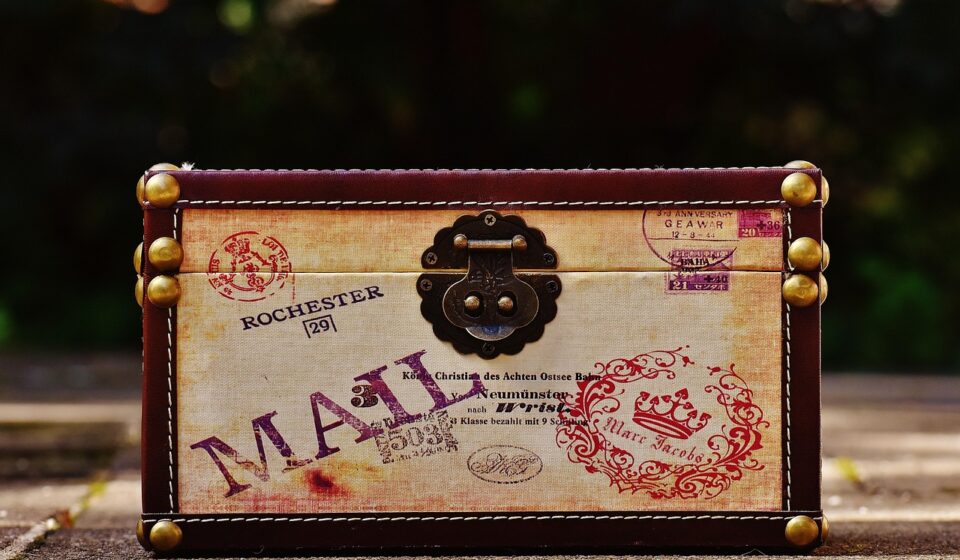
x lies in its ability to protect and present items that might otherwise be stored away or lost. They offer a curated visual narrative, turning individual objects into a cohesive display.
Last updated: May 11, 2026
For instance, a family might create a shadow box to commemorate a child’s milestone achievements, including a diploma, a favorite toy, and early artwork. This creates a focal point that tells a story, something a simple photo album can’t replicate.
Practically speaking, shadow boxes shield delicate items from dust, UV light (if properly equipped), and physical damage, ensuring their longevity. This makes them an excellent choice for valuable or sentimentally significant memorabilia.
Designing Your Shadow Box Layout
Effective shadow box design it’s about balance, composition, and storytelling. The arrangement of items is as crucial as the items themselves.
Start by gathering all your intended items and experimenting with different placements before committing. Consider focal points, layering, and negative space to create a visually appealing composition. A common mistake is overcrowding the box; less can often be more.
Think about the narrative you want to convey. For a wedding shadow box, you might arrange the invitation, a bonbonnière, a small piece of cake topper, and photos from the day. The visual flow should guide the viewer’s eye through the story.
Materials and Construction: What to Look For
The materials used in a shadow box significantly impact its appearance, durability, and preservation capabilities. As of 2026, options range from traditional wood to modern metal and acrylic.
Wood shadow boxes are classic, offering warmth and a natural aesthetic. Common woods include pine, oak, and mahogany. For items sensitive to acidity, ensure the wood and any interior lining are acid-free. A 10×10 inch basic pine shadow box might cost between $30-$70, while a larger, more ornate oak model could range from $100-$250.
Metal shadow boxes, often made from aluminum or steel, offer a contemporary, industrial look and are generally very durable. They are suitable for displaying heavier items.
Acrylic shadow boxes provide a sleek, minimalist appearance and excellent visibility from all angles. They are lightweight but can be prone to scratching if not handled carefully.
When selecting a shadow box, look for features like UV-protective glass or acrylic to prevent fading, and a secure backing that allows for items to be mounted without damaging the box itself. Deep shadow boxes are particularly useful for larger or bulkier items.
Mounting and Preserving Your Treasures
Proper mounting is key to both aesthetics and preservation. Items should be secured without causing permanent damage to them or the shadow box.
For photographs and paper items, use acid-free photo corners, archival tape, or mounting strips. Avoid direct adhesion with regular tape, which can degrade and stain over time. According to the American Institute for Conservation (AIC) (2025), using archival-quality materials is paramount for preventing long-term damage to sensitive artifacts.
For three-dimensional objects, consider using museum putty, pins, or small custom-made supports. Ensure heavier items are securely fastened to prevent them from falling.
If your items are particularly valuable or fragile, consult a professional framer or conservator. They can advise on the best methods for mounting and the most suitable types of glazing (glass or acrylic) to protect against light and environmental factors.
Creative Shadow Box Ideas for Every Occasion
The possibilities for shadow box themes are nearly endless. Here are a few popular ideas to inspire your next project:
- Baby’s First Year: Include sonogram photos, hospital bracelet, first outfit swatches, footprints, and a lock of hair.
- Wedding Keepsakes: Arrange invitation sweet, dried flowers from the bouquet, ring bearer pillow charm, and photos from the ceremony.
- Travel Memories: Display maps, ticket stubs, currency, small souvenirs, and postcards from a memorable trip.
- Sports Achievements: Showcase medals, ribbons, team photos, jerseys, and event tickets.
- Hobby Collections: Group items related to a hobby, such as vintage camera film for a photography enthusiast, or unique stamps for a collector.
- Childhood Treasures: Mount children’s artwork, report cards, favorite small toys, and school photos.
For a wedding shadow box, a common size might be 12×12 inches or larger, depending on the number of items. For a baby’s first year, an 8×10 or 9×12 inch box often suffices.
From a different angle, consider creating a shadow box as a gift. A personalized shadow box for a graduation, retirement, or a significant anniversary can be an incredibly thoughtful and cherished present.

DIY vs. Pre-Made Shadow Boxes
Deciding whether to build your own shadow box or purchase a pre-made one depends on your budget, time, and desired level of customization.
DIY Shadow Boxes: Building your own offers maximum creative control. You can select exact dimensions, materials, colors, and interior finishes. Materials for a basic DIY wood shadow box (approx. 12×16 inches) can cost between $20-$50 for wood, glass, backing, and hardware. This approach is ideal for unique sizes or specific design requirements.
Pre-Made Shadow Boxes: These are readily available from craft stores like Michaels and Hobby Lobby, as well as online retailers like Amazon and Walmart. They offer convenience and are often more affordable for standard sizes, typically ranging from $20 to $100 depending on size and quality, but pre-made options may require modification for deeper items or specialized mounting.
What this means in practice: if you need a very specific depth for a bulky item, or a unique size not found in stores, a DIY approach it’s likely best. For standard display needs and quicker projects, pre-made boxes are efficient.
Displaying Your Shadow Box Safely and Stylishly
Once your shadow box is complete, strategic placement is vital for both protection and aesthetic appeal.
Avoid direct sunlight, as UV rays can fade colors and degrade materials over time. High humidity or extreme temperature fluctuations can also damage contents. Walls that are not load-bearing may require specific anchors, especially for larger or heavier shadow boxes.
Consider the room’s existing decor. A rustic wooden shadow box might fit well in a farmhouse-style living room, while a sleek metal one could complement a modern office space. For significant pieces, consider professional wall mounting to ensure stability.
The National Association of Independent Artists (NAIA) (2024) recommends a controlled environment with stable temperature and humidity for long-term preservation of artwork and memorabilia.
Common Mistakes to Avoid
Creating a shadow box it’s rewarding, but a few common pitfalls can detract from the final piece.
Overcrowding: As mentioned, stuffing too many items into a box makes it look cluttered and can obscure individual pieces. Aim for a balanced composition with adequate breathing room.
Using Non-Archival Materials: Regular tape, acidic paper, or glues can yellow, become brittle, and damage your items over time. Always opt for acid-free and archival-quality supplies. This is crucial for items like photographs and documents.
Ignoring Depth Needs: Choosing a shallow box for bulky items will force you to compromise on the display or not fit the item at all. Measure your largest item and select a box with sufficient depth. For example, a medal with a long ribbon might require a box with at least 3–4 inches of depth.
Poor Lighting: While avoiding direct sun, consider how the shadow box will be lit. Indirect lighting can highlight the contents without causing damage.
Expert Tips for Next-Level Shadow Boxing
To elevate your shadow box creations beyond the basics, consider these expert insights:
- Incorporate Lighting: Small LED strip lights or battery-operated fairy lights can add a dramatic effect and highlight specific items within the box.
- Layering Techniques: Mount items at different depths using foam core or small risers. This creates a dynamic, multi-dimensional effect.
- Thematic Backdrops: Instead of plain backing, use patterned fabric, maps, or even painted surfaces that complement the items being displayed. Ensure the backdrop doesn’t overpower the displayed objects.
- Incorporate Text: Add handwritten notes, quotes, or labels to provide context or a personal touch. Use archival pens for longevity.
- Consider Verticality: For items like swords, walking canes, or musical instruments, ensure the shadow box is tall enough or consider custom framing solutions that allow for vertical display.
For example, when framing a child’s artwork, mounting it on a slightly raised mat board behind the glass can create a subtle shadow effect that adds depth and visual interest, making it appear as though the art is floating.
Frequently Asked Questions About Shadow Boxes
What is the difference between a shadow box and a regular picture frame?
A shadow box has depth, allowing it to hold and display three-dimensional objects, whereas a regular picture frame is designed for flat items like photographs or prints.
How deep should a shadow box be?
The required depth depends on the items you wish to display. For small items like jewelry or medals, 1–2 inches might suffice. For larger items like baby shoes, sports equipment, or layered displays, 3-6 inches or more is recommended.
Are shadow boxes good for preserving photos?
Yes, especially if they have UV-protective glass or acrylic and an acid-free backing, which helps prevent fading and degradation of both photos and other documents.
Can I use any shadow box for any item?
While versatile, consider the item’s material, size, and fragility. Archival quality and sufficient depth are key for preserving delicate or bulky items effectively.
Where is the best place to buy a shadow box?
Reputable craft stores like Michaels and Hobby Lobby, large online retailers like Amazon and Walmart, and specialized framing shops offer a wide range of options, from budget-friendly to custom-made.
How do I clean a shadow box?
Dust the exterior with a soft cloth. For the interior, use a can of compressed air to remove dust from items and the lining. If the glass/acrylic needs cleaning, use a specific glass cleaner and a microfiber cloth, being careful not to spray directly onto the contents.
Last reviewed: May 2026. Information current as of publication; pricing and product details may change.
Source: Britannica
Related Articles
- Jeanette Adair Bradshaw: Budget-Savvy Insights for 2026
- Best Careers for the Future: Navigating 2026 Opportunities
- Multiple Puppy Feeders: Avoid These Common Mistakes
Editorial Note: This article was researched and written by the Milano Golden editorial team. We fact-check our content and update it regularly. For questions or corrections, contact us.