Better Mental Health Tips: Start Now
Look, let’s be honest. Scrolling through endless lists of “mental health tips” can feel like wading through a swamp of generic advice that just doesn’t land. I’ve been there, staring at my screen, feeling… well, not great, and wondering if any of it would actually make a difference. The truth is, most of it’s fluff. Today, we’re ditching the fluff and getting real about mental health tips that are actually actionable, especially if you’re just starting out. We’re talking about simple, practical steps you can integrate into your life right now, without needing a psychology degree or a guru.
This isn’t about quick fixes or miracle cures. It’s about building a foundation, one small, manageable step at a time. Think of it like learning to cook: you don’t start with a souffle, you start with boiling water. We’re starting with boiling water for your mental well-being.
Here’s the deal: your mental health is just as important as your physical health, and sometimes, it’s even more foundational. When your mind isn’t in a good place, everything else feels harder. So, let’s dive into some genuinely useful mental health tips.
Contents
what’s Mental Health, Really? (No Jargon Allowed)
Forget the fancy definitions. Mental health is basically your emotional, psychological, and social well-being. It affects how you think, feel, and act. It also helps determine how you handle stress, relate to others, and make choices. It’s not just the absence of mental illness. it’s about thriving. Think of it like this: if your physical health is about your body working well, your mental health is about your mind working well. It’s pretty straightforward, but incredibly complex in practice, right?
Honestly, for most beginners, focusing on small, positive habits is the best way to build good mental health. It’s not about achieving perfect happiness every second, but about having the resilience to handle life’s ups and downs without completely derailing.
Your First Mental Health Tip: Move Your Body
Here’s the one I harp on the most, and for good reason. You don’t need to run a marathon or join a CrossFit cult. Just moving your body, even a little, can make a massive difference to your mental state. Ever notice how a brisk walk can clear your head? That’s not a coincidence. Physical activity releases endorphins — which are natural mood boosters. Plus, it helps reduce stress hormones like cortisol.
What does this look like practically? Start small. Try a 15-minute walk around your neighborhood. Put on some music and dance in your living room for 10 minutes. Do some simple stretches when you wake up. The key is consistency, not intensity. Aim for movement most days, even if it’s just a short burst. The U.S. Department of Health and Human Services recommends at least 150 minutes of moderate-intensity aerobic activity per week, but honestly, starting with 10 minutes a day is a win. The Physical Activity Guidelines for Americans are a great resource if you want more structured info, but again, don’t let it overwhelm you.
[IMAGE alt=”Person taking a brisk walk in a park” caption=”A simple walk in nature can boost your mood.”]
🎬 Related Video
📹 mental health tips — Watch on YouTube
The Power of a Good Night’s Sleep
Here’s so often overlooked, but seriously, if you’re not sleeping well, your mental health is going to take a hit. It’s like trying to run a computer on a dying battery – everything slows down, glitches happen, and eventually, it just shuts off. Sleep is when your brain processes emotions, consolidates memories, and repairs itself. When you skimp on sleep, you’re basically sabotaging your own mental resilience.
What are some practical mental health tips for better sleep? Try to stick to a regular sleep schedule, even on weekends. Create a relaxing bedtime routine – this could involve reading a book (a real one, not on a screen!), taking a warm bath, or listening to calm music. Make sure your bedroom is dark, quiet, and cool. And for goodness sake, try to limit screen time an hour before bed. That blue light messes with your melatonin production. The National Sleep Foundation has tons of great info on sleep hygiene if you need more specifics, but the core idea is to make sleep a priority. It’s not a luxury. it’s a necessity.
- Improved mood regulation
- Better concentration and focus
- Reduced irritability
- Enhanced problem-solving skills
- Greater emotional resilience
- Increased anxiety and stress
- Difficulty concentrating
- Mood swings and irritability
- Impaired decision-making
- Higher risk of depression
Small Steps to Calm Your Mind
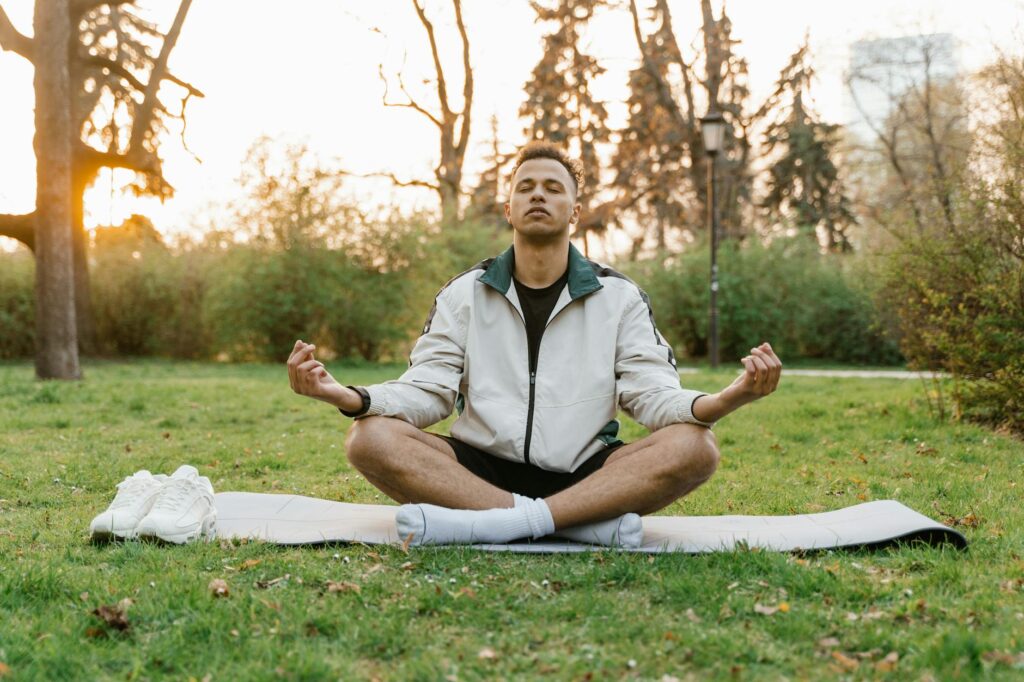
Okay, so we’ve covered movement and sleep. What else? Let’s talk about calming your mind. This is where things like mindfulness and simple breathing exercises come in. I know, I know, “mindfulness” sounds like a buzzword for gurus on a mountaintop. But honestly, it’s just about paying attention to the present moment without judgment. It’s about noticing your thoughts and feelings without getting swept away by them.
Here’s a super simple technique: the 4-7-8 breathing method. Inhale quietly through your nose for a count of 4. Hold your breath for a count of 7. Exhale completely through your mouth, making a whoosh sound, for a count of 8. Repeat this 3-4 times. Do this when you feel overwhelmed or just need a reset. It’s surprisingly effective at calming your nervous system. Another simple practice is just taking 60 seconds to notice five things you can see, four things you can touch, three things you can hear, two things you can smell, and one thing you can taste. It’s a quick grounding exercise that pulls you out of anxious thoughts and into the present. Websites like the Mindful.org have tons of free resources to get you started.
Expert Tip: Don’t expect to become a Zen master overnight. The goal isn’t to stop thinking or to feel perfectly calm all the time. The goal is to practice noticing your thoughts without getting tangled up in them. Even 5 minutes a day can make a difference.
Connecting with Others: It’s Not Awkward
Humans are social creatures. It might feel easier to isolate yourself when you’re not feeling great, but genuine connection is a powerful mental health booster. It doesn’t have to be a huge party or deep, soul-baring conversations with strangers. It can be as simple as a quick chat with a cashier, a text to a friend you haven’t spoken to in a while, or joining a low-key hobby group. The goal is positive social interaction.
Think about who’s in your corner. Maybe it’s a family member, a long-time friend, or a colleague you get along with. Make an effort to reach out. Even a brief, positive interaction can lift your spirits. If you’re feeling isolated, look for opportunities to connect. Local libraries often have free clubs or events, community centers are great resources, and online communities (the positive, moderated kind!) can also be helpful. The key is quality over quantity. A few genuine connections are far more valuable than hundreds of superficial ones.
“Social connection isn’t just a nice-to-have, it’s a fundamental human need, as vital to our health as adequate nutrition or exercise.” – Dr. Vivek Murthy, U.S. Surgeon General
This quote really hits home. Dr. Murthy’s work highlights the epidemic of loneliness, and it highlights why prioritizing connection is one of the most underrated mental health tips out there. It’s not about being popular. it’s about feeling seen and supported.
When Simple Tips Aren’t Enough
Look, I’m all about practical, everyday mental health tips. But it’s Key to know when these strategies aren’t sufficient. If you’re consistently struggling, feeling overwhelmed, or if your mental health is impacting your daily life, it’s time to seek professional help. there’s absolutely ZERO shame in this. In fact, it’s a sign of strength and self-awareness.
What does professional help look like? It could be talking to your primary care doctor — who can often provide referrals. It could be finding a therapist or counselor. Organizations like the National Institute of Mental Health (NIMH) offer information on mental health conditions and treatment options. Therapy, whether it’s Cognitive Behavioral Therapy (CBT), Dialectical Behavior Therapy (DBT), or another modality, can provide you with personalized tools and coping strategies. Remember, seeking help isn’t a failure. it’s an investment in your well-being. And for many, it’s the most effective of all mental health tips.
Honestly, for a long time, I thought seeking therapy was admitting defeat. It took me a while to realize it’s like going to a physical therapist for a bad knee – it’s about getting expert help to heal and function better. Don’t wait until you’re at a breaking point. If you’re nudging that way, consider reaching out.
Here’s a simple breakdown of when to consider professional support:
| Sign | What It Might Mean |
|---|---|
| Persistent sadness or hopelessness | Could indicate depression |
| Intense worry or anxiety that interferes with daily life | Possible anxiety disorder |
| Significant changes in sleep or appetite | Often linked to mood changes |
| Difficulty functioning at work, school, or home | Mental health is impacting daily tasks |
| Thoughts of harming yourself or others | Immediate professional help required |
Frequently Asked Questions
What’s the absolute easiest mental health tip to start with?
The easiest mental health tip to start with is simply taking 5 minutes to focus on your breath. Find a quiet spot, close your eyes if comfortable, and pay attention to the sensation of air entering and leaving your body. This simple act can help ground you and reduce immediate feelings of stress.
How can I improve my mental health without spending money?
You can improve your mental health without spending money by prioritizing sleep, engaging in regular physical activity like walking, practicing mindfulness or deep breathing exercises, and nurturing your social connections with friends and family. Spending time in nature is also a free and effective mood booster.
Is it okay to not be okay all the time?
Absolutely. it’s completely normal and okay to not feel okay all the time. Life throws challenges at everyone, and experiencing a range of emotions, including sadness, frustration, or anxiety, is part of the human experience. The key is how you Handle these feelings and seek support when needed.
Can social media negatively impact mental health?
Yes, social media can negatively impact mental health through social comparison, cyberbullying, and the pressure to present an idealized version of oneself. Excessive use can also disrupt sleep patterns and reduce face-to-face interactions — which are Key for well-being. Setting limits and being mindful of your consumption is important.
How often should I practice these mental health tips?
These mental health tips are most effective when practiced consistently. Aim to incorporate small, manageable habits into your daily routine. For example, try to move your body for at least 10-15 minutes daily, practice a brief mindfulness exercise, and make an effort to connect with someone regularly. Consistency over intensity is key.
Bottom line: taking care of your mental health doesn’t require grand gestures or radical life changes. It starts with small, consistent steps. Move your body, prioritize sleep, breathe deeply, connect with people, and don’t hesitate to seek professional help when you need it. These aren’t just tips. they’re building blocks for a more resilient and balanced you. Start with one thing today. You’ve got this.